


Contractor Equipment Insurance for Hydrovac Trucks and Utility-Locating Gear

or call us: (858) 384‑1506
A single hydrovac truck rolling off the lot in 2026 can represent a half-million-dollar investment before you even bolt on the locating equipment. New models are
currently listing between $439,900 and $575,500, and that price doesn't account for the ground-penetrating radar units, electromagnetic locators, CCTV crawlers, and compressors your crews depend on every day. Lose one truck to theft or a rollover, and you're not just out the asset: you're losing revenue for every day that unit sits idle. Standard business insurance rarely accounts for the specialized nature of this equipment, and the coverage gaps can be devastating. Contractor equipment insurance designed for hydrovac trucks and utility-locating gear isn't optional for serious operators. It's a financial survival strategy. This guide walks through the specific coverage types, common claims, policy exclusions, and practical steps you need to protect your fleet and your bottom line.
Protecting High-Value Assets: Why Specialized Coverage Matters
Hydrovac and utility-locating contractors face a unique risk profile. Your assets are mobile, expensive, and often parked on unsecured job sites overnight. They combine heavy mechanical systems with sensitive electronics, which means a single incident can trigger both physical damage and technology replacement costs simultaneously.
Generic commercial policies treat your half-million-dollar hydrovac truck the same way they'd treat a box truck hauling office supplies. That disconnect leaves you exposed. Specialized contractor equipment coverage accounts for the actual replacement cost of your machinery, the environments where it operates, and the specific perils it faces: theft from remote sites, water intrusion into electronic locating systems, and mechanical breakdown during excavation.
The 2026 insurance market for contractors is tightening, with underwriters scrutinizing equipment schedules more closely than in previous years. If your policy doesn't explicitly list and value each piece of gear, you're gambling with your own capital.
The Difference Between General Liability and Inland Marine
General liability covers third-party bodily injury and property damage. If your hydrovac crew accidentally damages a gas line and it injures a bystander, GL responds. What it doesn't cover is the damage to your own truck, your GPR unit that fell off the tailgate, or the stolen electromagnetic locator.
That's where inland marine insurance steps in. Despite the nautical name, inland marine policies cover movable property and equipment that travels between job sites. For contractors, this is the policy that actually protects your tools, machinery, and technology. The cost of inland marine coverage varies based on equipment value, deductible choices, and your claims history, but it's typically a fraction of what you'd lose replacing even one major asset out of pocket.
Why Standard Auto Policies Fail Hydrovac Operators
A commercial auto policy covers the truck as a vehicle: collision, liability while driving, maybe comprehensive for weather damage. It does not cover the vacuum pump system, the water heater, the boom, or any mounted equipment that makes a hydrovac truck worth what it is.
Think of it this way: your auto policy covers the chassis and cab. Everything bolted onto or inside that truck for
excavation purposes falls into a gray area, or worse, an outright exclusion. We've seen operators at Fusco Orsini & Associates discover this gap only after filing a claim for a damaged boom arm and getting denied. The fix is layering an
equipment floater or inland marine policy on top of your auto coverage so every component is accounted for.

Core Coverage for Hydrovac Trucks and Mounted Systems
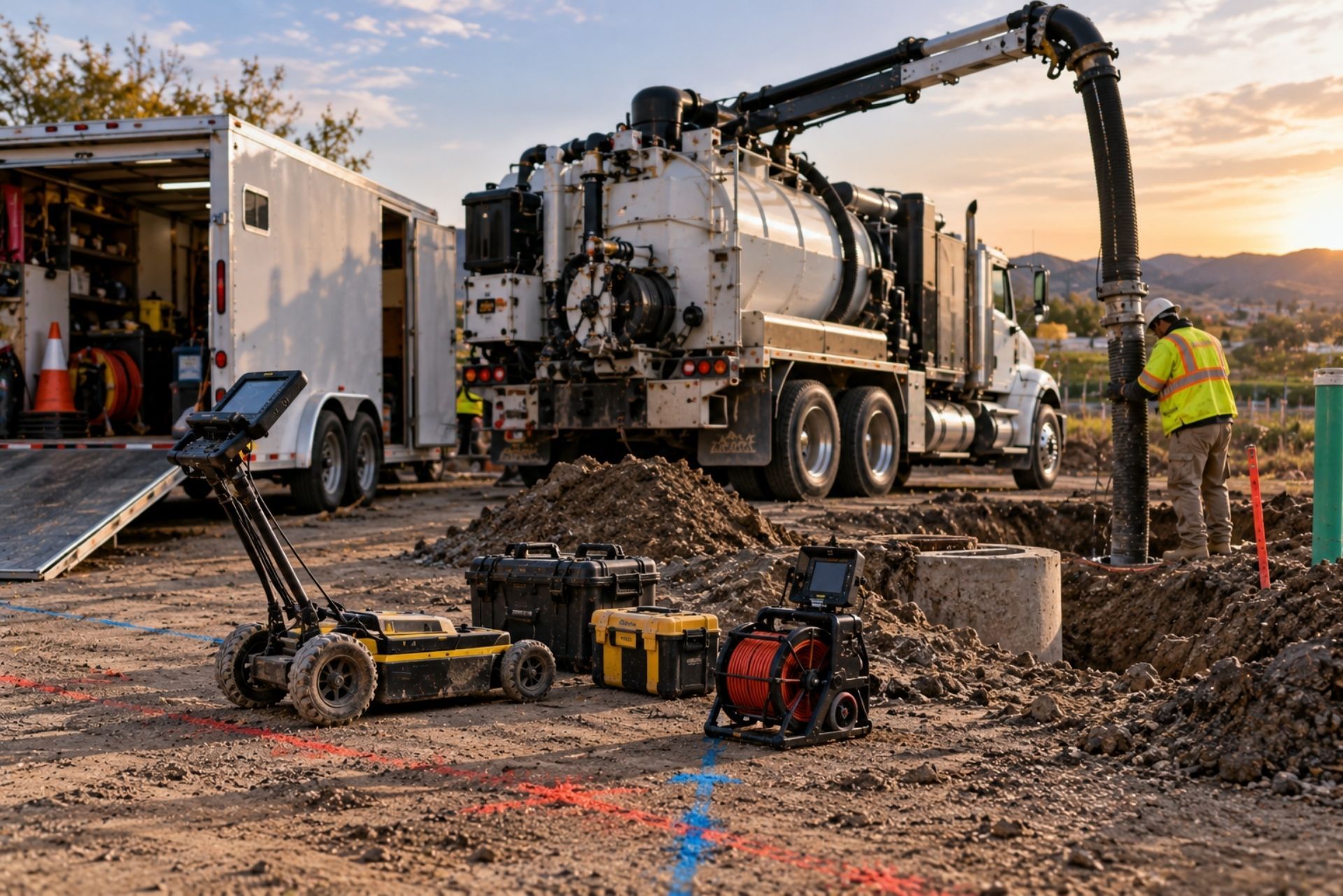
Your hydrovac truck isn't a single asset. It's a collection of interdependent systems, each with its own replacement cost and failure risk. A proper equipment insurance policy should schedule each major component individually.
Vacuum Pumps and High-Pressure Water Systems
The vacuum system is the heart of any hydrovac unit, and replacement costs for industrial-grade pumps can run $15,000 to $40,000 depending on CFM rating and manufacturer. High-pressure water systems, including heaters for cold-weather operations, add another layer of cost.
These components are subject to mechanical stress every shift. Coverage should include mechanical breakdown, not just collision or theft. Some policies exclude wear-and-tear failures, so read the endorsements carefully. You want a policy that distinguishes between gradual deterioration (typically excluded) and sudden mechanical failure (often coverable with the right endorsement).
Compressors and On-Board Storage Tanks
Air compressors mounted on hydrovac units power pneumatic tools and assist with debris removal. Water and debris tanks represent significant value and are vulnerable to corrosion, impact damage, and pressure failures.
Insure these at agreed value rather than actual cash value whenever possible. Actual cash value policies depreciate your equipment, meaning a five-year-old compressor might only pay out 40% of what you need to buy a functional replacement. Agreed value locks in the payout amount at policy inception, so there's no depreciation surprise after a loss.
Trailers and Mobile Support Units
Many hydrovac operations rely on support trailers carrying extra hose, fittings, safety equipment, and sometimes secondary locating gear. These trailers move between sites constantly and are prime targets for theft.
Your inland marine policy should cover trailers and their contents as scheduled items. Don't lump everything under a blanket limit: if your trailer carries $30,000 in equipment but your blanket limit is $20,000, you're self-insuring the difference. List high-value contents individually on your equipment schedule.
Insuring Sensitive Utility-Locating Technology
Utility-locating equipment represents a different category of risk than heavy mechanical systems. These are precision instruments, often worth $20,000 to $80,000 per unit, and they're fragile relative to the environments where they're used.
Ground-Penetrating Radar (GPR) and Electromagnetic Locators
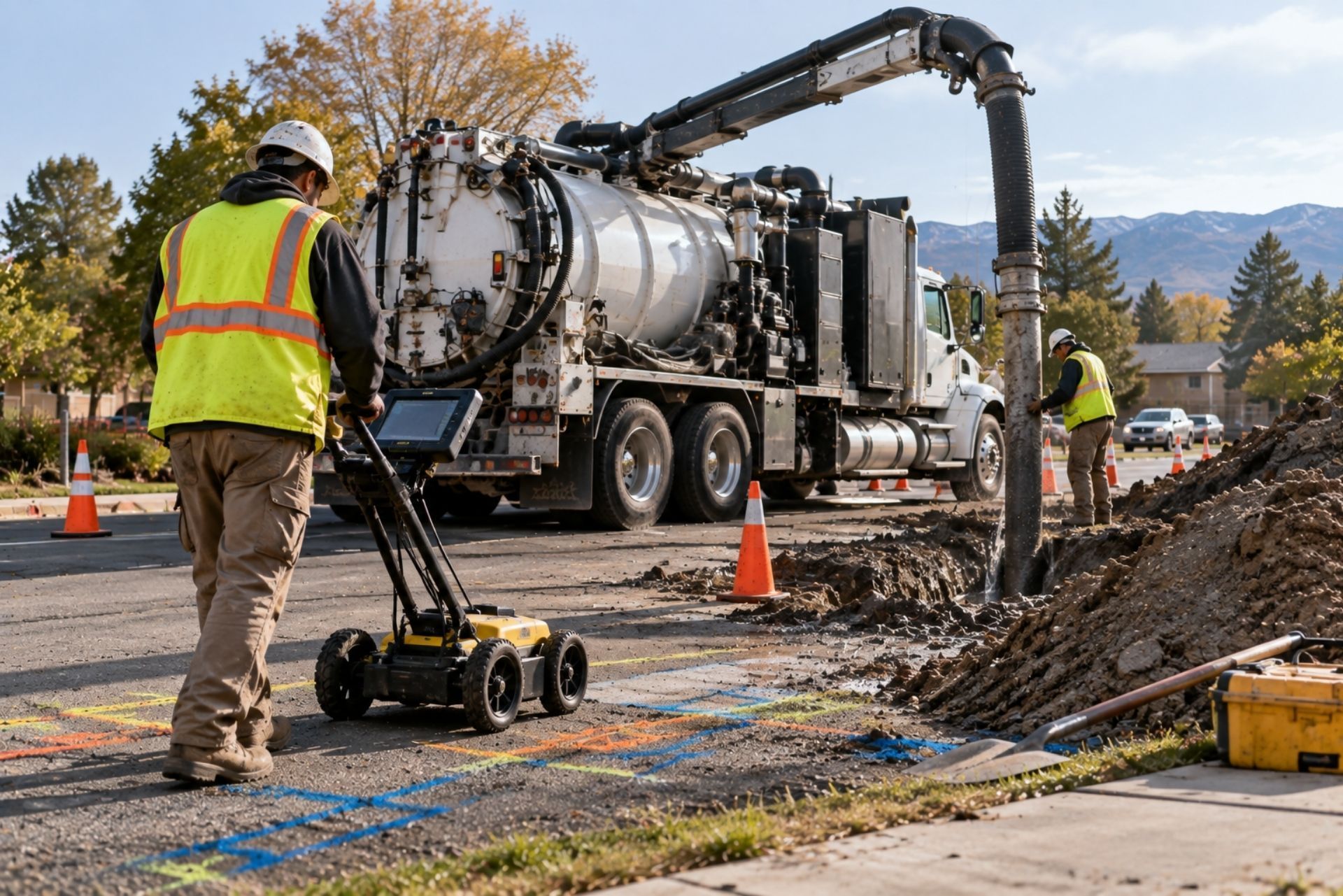
GPR units and EM locators are essential for identifying underground utilities before excavation begins. A single GPR system can cost $25,000 to $50,000, and electromagnetic pipe and cable locators typically run $3,000 to $15,000 depending on capabilities.
These instruments are vulnerable to drops, water exposure, and vehicle-related incidents. They're also attractive theft targets because of their high resale value and portability. Your policy needs to cover theft, accidental damage, and transit losses. Pay attention to whether your insurer requires specific storage protocols: some policies void coverage if equipment wasn't stored in a locked vehicle or job box.
CCTV Inspection Cameras and Robotic Crawlers
Sewer inspection cameras and robotic crawlers can represent $50,000 to $100,000 in a single system. These units operate in harsh conditions: inside active sewer lines, storm drains, and other underground infrastructure where damage risk is constant.
Coverage for these systems should address submersion damage, cable snags, and retrieval costs if a crawler becomes stuck underground. Some specialized policies from firms like Fusco Orsini & Associates include coverage for the cost of recovering stuck equipment, which can itself run into thousands of dollars in labor and excavation.
Comparing Coverage Levels for Specialized Gear
Not all equipment floaters are created equal. The difference between a basic policy and a comprehensive one can mean the difference between full recovery and a crippling out-of-pocket loss.
Comparison Table: Basic vs. Comprehensive Equipment Floaters
| Feature | Basic Equipment Floater | Comprehensive Equipment Floater |
|---|---|---|
| Theft coverage | Named perils only | All-risk, including mysterious disappearance |
| Mechanical breakdown | Excluded | Included with endorsement |
| Valuation method | Actual cash value (depreciated) | Agreed value (set at policy inception) |
| Transit coverage | Limited or excluded | Included for all scheduled items |
| Rental reimbursement | Not included | Covers temporary replacement equipment |
| Newly acquired equipment | 30-day automatic coverage | 60-90 day automatic coverage |
| Deductible options | $1,000-$5,000 | $500-$2,500 with volume discounts |
| Underground retrieval | Excluded | Available as endorsement |
The premium difference between these tiers is often 15-25%, but the coverage gap is massive. For operations running multiple hydrovac units and locating crews, the comprehensive option almost always makes financial sense.
Common Claims and Operational Risks
Understanding what actually goes wrong helps you buy the right coverage and avoid claim denials. The 2025 DIRT report on excavation damage highlights that utility strikes remain a persistent industry problem, and the equipment involved in those incidents often sustains significant damage.
Theft and Vandalism at Job Sites
Equipment theft is the most common claim type for contractors. Hydrovac trucks are harder to steal than loose tools, but locating equipment, compressor units, and trailer contents disappear regularly from job sites. Overnight and weekend periods are highest risk.
Insurers typically require evidence of reasonable security measures. Locked compartments, GPS tracking on high-value items, and fenced staging areas all strengthen your claim position. Some carriers offer premium discounts for GPS-equipped fleets. If your policy has a "mysterious disappearance" exclusion, you'll need to prove forced entry or provide evidence of the theft, which can be difficult on open job sites.
Accidental Damage During Excavation
Hydrovac work involves high-pressure water, powerful vacuum systems, and heavy equipment operating near buried utilities. Boom strikes against overhead structures, tip-overs on soft ground, and water system failures that damage electronic components are all common scenarios.
One claim pattern we see frequently: a crew member swings the boom into a bridge support or overhead line, damaging both the boom and the mounted camera system. That's potentially $60,000 or more in repairs across two different coverage categories. Make sure your policy doesn't cap sub-limits for mounted accessories below their actual replacement cost.
Frequently Asked Questions About Locating Insurance
Does my commercial auto policy cover the hydrovac equipment mounted on my truck? Almost never. Commercial auto covers the vehicle itself. The vacuum system, boom, water heater, and other mounted equipment need a separate inland marine or equipment floater policy.
What's the difference between "scheduled" and "blanket" coverage for my tools? Scheduled coverage lists each item with a specific insured value. Blanket coverage groups everything under one limit. Scheduled is better for high-value items because it guarantees a specific payout per piece.
Are my GPR units covered if a crew member drops one? It depends on your policy. All-risk policies typically cover accidental damage including drops. Named-peril policies may not, since "dropping" isn't always a listed peril.
How do I insure newly purchased equipment before I can update my policy? Most equipment floaters include an automatic acquisition clause that covers new purchases for 30 to 90 days. You still need to report the new item to your insurer within that window or coverage lapses.
Will my claim be denied if equipment was stolen from an unlocked truck? Possibly. Many policies require reasonable security measures. An unlocked vehicle could give the insurer grounds to deny or reduce your claim. Always document your security protocols.
Can I insure rented or leased locating equipment?
Yes, but you may need a specific endorsement. Some policies cover rented equipment automatically up to a sublimit. Check whether the rental company's insurance is primary or secondary to yours.
Start with an equipment audit. List every asset your operation depends on: trucks, mounted systems, locating instruments, trailers, and support tools. Assign current replacement values to each item, not what you paid three years ago, but what it would cost to replace today.
Take that list to a broker who understands contractor equipment risks. Generic insurance agencies often lack the underwriting relationships needed to properly place hydrovac and utility-locating coverage. Fusco Orsini & Associates works with specialty carriers who understand the difference between a $5,000 pipe locator and a $75,000 robotic crawler, and who can structure policies that reflect those distinctions.
Review your policies annually, especially after adding new equipment or expanding into new service areas. A policy that was adequate last year may leave gaps today if you've added a second hydrovac unit or invested in new GPR technology. The cost of proper contractor equipment insurance for your hydrovac fleet and locating gear is predictable. The cost of being underinsured is not.
About The Author:
Michael Fusco
As CEO and Principal of Fusco Orsini & Associates, I’m dedicated to helping businesses and individuals achieve peace of mind through smarter insurance solutions. With extensive experience in commercial insurance and risk management, I focus on building long-term relationships and providing clarity, trust, and value in every policy we deliver.
// Coverage for Your Company
Protect Your Business, Employees, and Assets
We help business owners protect their companies from risks that can disrupt operations or threaten growth. Our team explains your options clearly and guides you to the right coverage for your business.
// Who We Help
Focused Insurance for Your Industry
We understand the unique risks and needs of different industries. Our team provides clear guidance and customized coverage to help you operate with confidence.


// Coverage for Individuals and Families
Protect What Matters Most at Home and Beyond
Renters Insurance
Affordable protection for your personal property in a rented space.
Life Insurance
Ensure your loved ones are financially secure when they need it most.
Umbrella Insurance
Extra liability coverage to protect you beyond standard policies.

// Frequently Asked Questions
Clear Answers to Common Questions

5.0 Reviews on Google
What You Need to Know Before Getting Started
People often ask us about the most common questions around business consulting, insurance, and employee benefits.
What types of insurance does my business need?
We evaluate your operations, identify risks, and explain the policies that make sense for your business. Our goal is to help you understand what you’re buying and ensure nothing important is overlooked.
The right coverage depends on your industry, size, and exposures. We’ll walk you through each option and help you make a confident decision.
Do you provide employee benefits?
Yes. Our dedicated benefits team offers group health, dental, vision, life, and disability plans. We also help employees with claims and explain how to use their benefits effectively.
We design plans that meet your company’s goals while keeping costs manageable and ensuring employees feel supported.
Do you only serve clients in California?
No. While we are based in San Diego, California, we work with clients in 31 states across the country.
We have the licenses and experience to support businesses of all sizes wherever they operate.
Can you review my existing policies?
Absolutely. We offer policy reviews at no cost to you. We’ll look for gaps in coverage, overlapping policies, and opportunities to save money.
Our team makes transitioning from your current provider simple and seamless.
How quickly can I get a quote?
In most cases, we respond the same business day with clear options and next steps.
We know that time matters, and we work efficiently to provide you with answers and coverage without unnecessary delays.
// What Our Clients Say
Reviews from Business Owners Like You
Over 500 Five-Star Ratings Across Platforms
// Business Tips & Resources
Helpful Articles for Business Owners
Our blog offers clear advice to help you protect your business, support your employees, and plan for the future with confidence.


Contact Us
Phone
Location