

California
California Utility Locating and Vacuum Excavation
Insurance

or call us: (858) 384‑1506
A single mis-marked utility in California can turn a routine locate or hydrovac pothole into a major loss. State data shows that excavation damage to gas distribution lines between 2010 and 2016 led to fatalities, injuries, and millions of dollars in gas loss and property damage every year, highlighting how high the stakes really are for contractors in this niche field according to a California Energy Commission report. Insurance for utility locating and vacuum excavation is not just another box to check on a compliance list, it is one of the few things standing between a business and financial disaster when something goes wrong underground.
This guide walks through how the risk profile of California utility locating and hydrovac operations translates into insurance needs. It connects real-world scenarios, recent infrastructure trends, and field studies with the coverages that matter most, so owners and managers can make decisions that actually match how work happens on site.
Why Utility Locating And Hydrovac Work Is High-Risk In California
California’s underground infrastructure is crowded and aging in many areas, especially in dense urban environments. Gas, electric, telecommunication, water, and storm networks often overlap, and records can be incomplete or outdated. When locators or hydrovac crews open the ground, they are working in a space where a minor mistake can affect public safety, traffic systems, or essential services.
State data on gas distribution systems illustrates the risk clearly. Between 2010 and 2016, excavation damage in California’s gas distribution network caused two fatalities, thirteen injuries, and an annual loss of tens of thousands of thousands of cubic feet of gas, costing about two point one million dollars each year in lost product alone as reported by the California Energy Commission. Those numbers only capture gas losses, not the total cost of emergency response, property repair, litigation, or reputational damage to contractors involved.
The incident count is just as concerning. In a single year, California’s gas distribution system recorded thousands of non-significant excavation incidents with estimated costs that reached into tens of millions of dollars based on the same state report. “Non-significant” on paper still means damaged assets, disruption, and possible claims against contractors. For utility locators and hydrovac operators, this backdrop means risk is not hypothetical, it is routine.

Core Insurance Coverages For California Utility Locating And Hydrovac Businesses
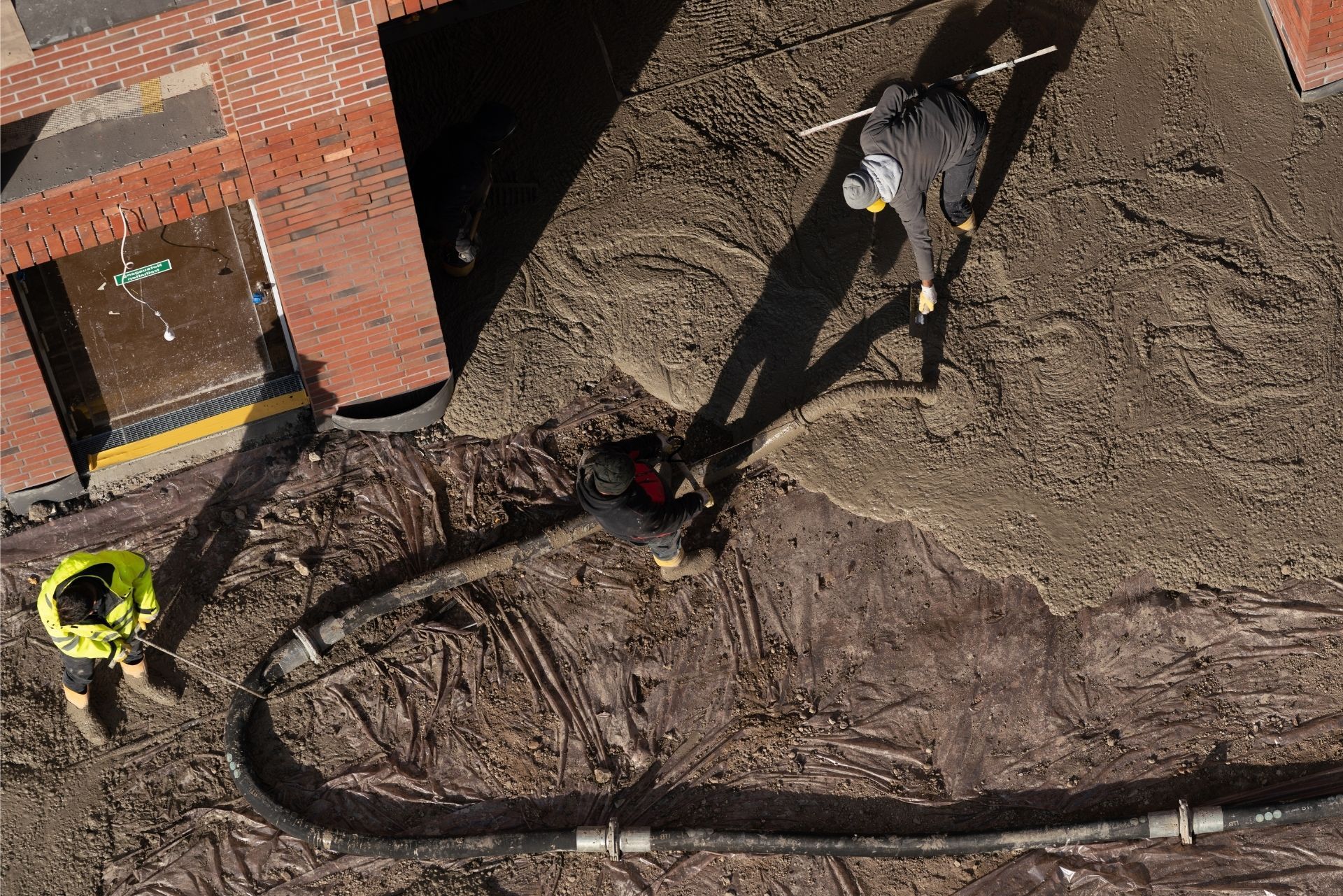
Utility locating and vacuum excavation share characteristics with several other trades, but the combination of subsurface uncertainty, high-value third-party property, and safety-critical work creates a very specific insurance profile. A useful way to think about protection is by looking at what happens if a job goes wrong at different stages, from pre-markout design through excavation and backfilling.
The core coverages below form the base of most insurance programs for California locating and hydrovac firms. The details, such as limits, deductibles, and endorsements, should be tailored to the scale of work, types of clients, and
contract requirements, yet the categories themselves tend to stay consistent across the industry.
| Coverage Type | Main Purpose | Typical Relevance To Locating / Hydrovac Work |
|---|---|---|
| General Liability | Third-party bodily injury and property damage | Struck lines, surface damage, bystander injuries |
| Professional Liability | Errors in professional services | Incorrect marks, missed lines, bad utility data |
| Workers’ Compensation | Employee injury and illness | Confined space, trench hazards, ergonomic strain |
| Commercial Auto | Vehicles and on-road liability | Hydrovac trucks, traffic accidents, site access |
| Contractors Pollution | Pollution-related claims | Fuel spills, drilling fluids, mobilized contaminants |
| Inland Marine / Equipment | Mobile tools and machinery | Hydrovac units, GPR, locators, trailers |
| Umbrella / Excess | Higher limits over core policies | Catastrophic line strikes or multi-party claims |
General Liability For Strikes, Property Damage, And Bystander Injuries
Commercial general liability is the foundation for most contractors. For utility locators and hydrovac operators, it responds when third parties allege bodily injury or property damage caused by the business. Typical triggers include striking an unmarked line that feeds a building, undermining a foundation with aggressive excavation, or injuring a pedestrian or site worker with hoses, debris, or moving equipment.
On urban California projects, a single misjudged excavation can affect multiple adjacent properties. Think about undermining a sidewalk that leads to trips and falls, damaging landscape irrigation, or cracking nearby pavements. General liability is often the policy that responds to these surface-level incidents, working alongside more specialized coverage when underground facilities are involved.
Professional Liability For Bad Marks And Data Errors
Subsurface utility engineering and private utility locating are professional services. Projects rely on the accuracy of paint marks, flags, sketches, and digital maps. If those services are incorrect, incomplete, or delayed, downstream contractors and owners can suffer property damage, rework costs, and lost time, even if no one ever touches a utility directly.
Professional liability, sometimes called errors and omissions, is designed for these situations. It can address claims that allege a missed utility, incorrect depth information, poor interpretation of records, or flawed CAD deliverables. Many California public agencies and large private owners now treat SUE as a specialized design discipline, so they expect professional liability insurance from locating consultants in the same way they do from engineers or surveyors.
Commercial Auto And Hydrovac Truck Exposures
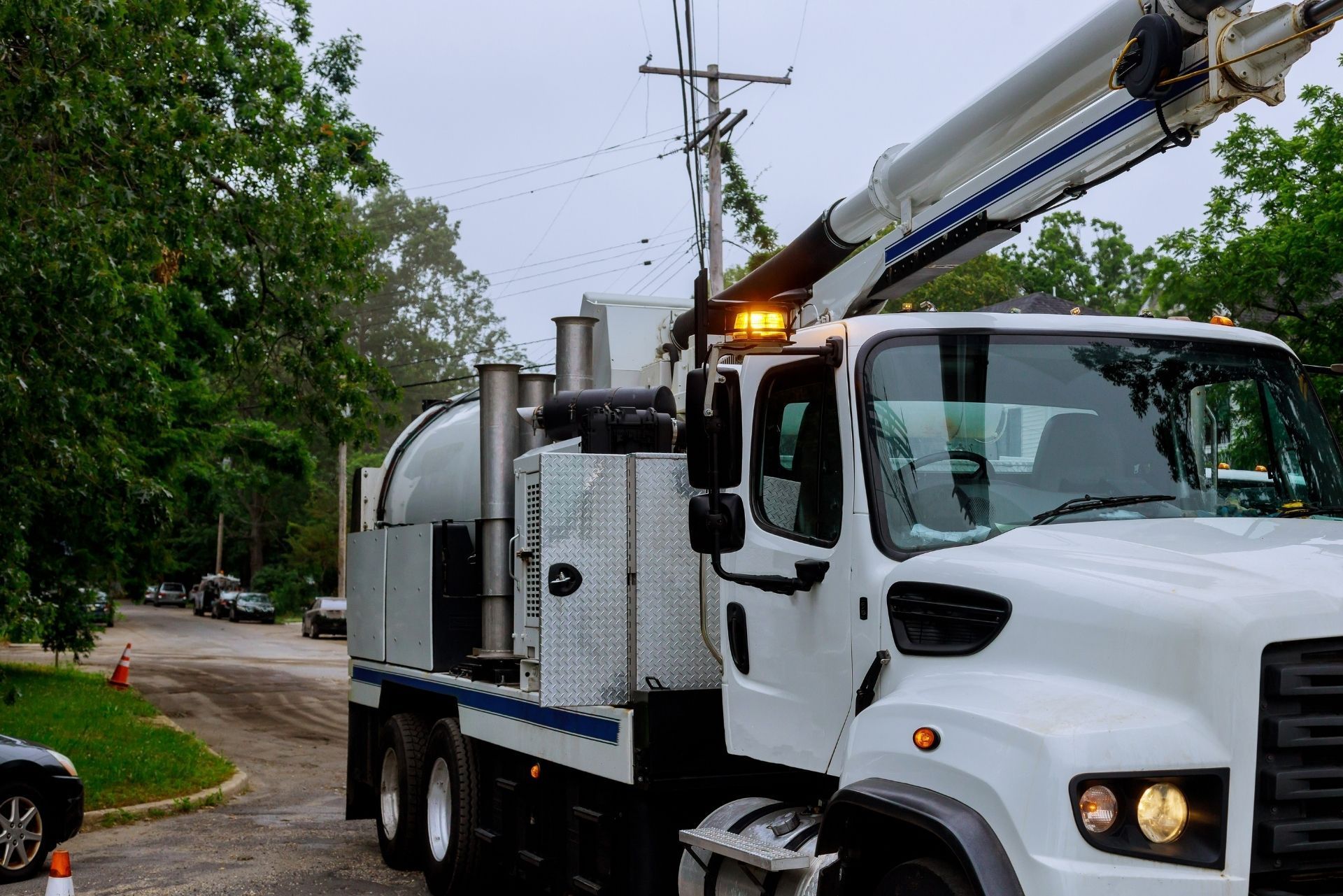
Hydrovac excavation depends on heavy, specialized vehicles that spend time both on highways and maneuvering through congested job sites. Commercial auto insurance handles liability from accidents on public roads, while physical damage coverage protects the vehicles themselves from collisions, theft, or vandalism.
In tight California neighborhoods, even low-speed impacts can lead to expensive claims. A hydrovac truck backing into a parked car, clipping building facades, or catching low-hanging power and communication lines can trigger both auto and general liability, depending on the details. Appropriate limits, up-to-date driver lists, and clear driver qualification standards are essential pieces of the coverage discussion.
Workers’ Compensation For Field Crews
Vacuum excavation and utility locating involve ergonomic strain, traffic exposure, and weather challenges, along with the hazards of working around open holes, confined areas, and energized utilities. Workers’ compensation covers medical costs and lost wages when employees are injured or become ill because of their work.
Insurers will look closely at safety practices such as traffic control procedures, confined space protocols, lockout and tagout processes around electrical stations, and training on safe use of high-pressure water. A strong safety culture not only protects crews but also helps stabilize premiums over time.
Contractors Pollution Liability
Hydrovac and locating work might not sound like traditional environmental contracting, but they often bring pollution exposures that standard general liability policies either exclude or strictly limit. Fuel or hydraulic fluid spills from trucks, release of drilling mud or slurry into storm drains, and disturbance of contaminated soils can all lead to cleanup obligations and third-party claims.
Contractors pollution liability is built to respond to these scenarios. The policy can be tailored to include on-site and off-site pollution incidents, transportation exposures, and even some mold or microbial risks, depending on the insurer. For contractors who support remediation or industrial facilities, this coverage becomes even more critical.
Inland Marine And Equipment Coverage
Locating and hydrovac businesses depend on expensive mobile equipment. Ground penetrating radar, electromagnetic locators, utility carts, trailers, and the hydrovac components themselves can be difficult to replace quickly if lost, stolen, or damaged. Standard property policies usually do not follow equipment across multiple sites and public rights of way.
Inland marine or contractors equipment coverage is designed for gear that moves. Policies can be scheduled, listing specific high-value items, or written on a blanket basis with a per-item limit. Attention to valuation, rental reimbursement, and coverage for borrowed or rented equipment will determine how readily a contractor can keep working after an incident.
Umbrella And Excess Liability For Catastrophic Claims
California excavation incidents can escalate beyond the limits of primary policies. A gas main rupture that triggers a fire, a major telecom outage affecting businesses, or a high-profile injury can generate costs that exceed general liability and auto limits, particularly on public or infrastructure-heavy projects.
Umbrella or excess liability provides additional layers of coverage above those primary policies. Owners and public entities in California often require higher total limits for work in sensitive corridors near hospitals, schools, or major roadways. For locating and hydrovac contractors who work regularly in these settings, an umbrella policy is often a practical necessity rather than an optional upgrade.
Risk Scenarios Unique To Utility Locating And Vacuum Excavation
Utility locating and hydrovac work share many risks with broader excavation trades, yet certain scenarios appear again and again in claim files. Recognizing these patterns helps contractors line up coverage and risk controls before something goes wrong.
One of the most common scenarios is a subsurface utility strike triggered by inaccurate or incomplete information. A locator may mark all visible lines correctly but rely on records that do not show an abandoned line now used as an active conduit. A hydrovac operator, following those marks, exposes a facility that no one expected, leading to damage or disruption. When this happens, general liability, professional liability, and sometimes pollution coverage all come into play.
Traffic exposure is another ongoing concern. Crews frequently work on or near busy California roadways, placing cones, setting up arrow boards, and hauling hoses across lanes. A distracted driver can injure workers or crash into equipment. Claims can involve auto, general liability, and workers’ compensation, depending on who was injured and what was damaged.
There is also the risk of damage to structures even when utilities are never touched. Over-excavation under sidewalks and driveways, water jetting that undermines fence posts or landscaping, or slurry that flows into basements and garages can all create property damage claims. Where hydrovac is used around foundations, bridge abutments, or retaining walls, even careful work can raise questions about settlement or cracking later, which is why documentation and pre-work condition photos matter so much.
How Accurate Locates And SUE Reduce Claims And Insurance Costs
Subsurface utility engineering as a discipline grew partly in response to the kinds of incidents reflected in California’s gas distribution statistics. Experienced practitioners stress that the first and most important benefit of quality SUE is safety. Industry voices repeatedly point out that accurate utility locating, thoughtful records research, and methodical use of tools such as GPR and vacuum excavation are critical to keeping crews and the public out of harm’s way as highlighted by SUE experts discussing California projects.
There is also a clear link between careful locating and project efficiency. When contractors know exactly where utilities are, design and construction teams can avoid conflicts rather than discovering them in the field. Experienced SUE professionals note that vacuum excavation, used strategically, helps confirm depths and positions so designers can adjust alignments before full construction mobilization, reducing both risk and schedule disruption.
Field research supports what many crews already know from experience. A study that examined more than a hundred vacuum excavation sites found that virtually all operators agreed hydrovac made their tasks easier and more efficient, with all participants reporting time savings and cost reductions on projects where it was used according to a published study on vacuum excavation. From an insurance perspective, methods that reliably reduce rework, shorten exposure windows, and prevent surprise utility conflicts can support a better claims history, which often translates to more favorable pricing and terms over time.
The scale of upcoming infrastructure work in California adds urgency to this picture. Los Angeles County alone plans to invest tens of billions of dollars in transportation, water, and civic projects, a pipeline of work that will put sustained pressure on existing underground networks and the contractors who work around them
as reported in discussions of large Southern California infrastructure programs. For locating and hydrovac firms, demonstrating strong SUE practices, comprehensive mapping, and methodical vacuum excavation is not only good risk management, it is also a competitive advantage when bidding higher profile jobs that scrutinize safety and insurance records.
Building A Coverage Strategy: Limits, Endorsements, And Contract Requirements
Having the right types of policies is only part of the equation. California utility locators and hydrovac operators also need to think about how coverage structures align with contract obligations, project sizes, and the company’s tolerance for risk. A thoughtful approach looks at limits, endorsements, and internal processes together.
On limits, many public works contracts specify required levels of general liability, auto liability, workers’ compensation, and umbrella coverage. Utility and infrastructure owners may push for even higher sums when work happens near critical facilities. Businesses need to balance those requirements with realistic assessments of their exposure, particularly for catastrophic scenarios such as serious injuries or fires following gas line damage.
Endorsements can make the difference between a policy that technically exists and one that responds when needed. Additional insured status for project owners and prime contractors, primary and noncontributory wording, waivers of subrogation, and completed operations coverage are all commonly requested. Locating firms working in a design capacity may also need specific professional liability endorsements that address SUE and mapping services rather than generic consulting work.
Internal contract review is often overlooked yet vital. Before signing master service agreements or task orders, someone in the business should compare insurance requirements with actual policies, flag any gaps, and coordinate with the broker and carrier to address them. This simple discipline prevents last-minute scrambles, rushed endorsements, or worse, silent gaps that only become visible after a claim.
Practical Risk Management Checklist For California Utility Locating Firms
Insurance responds after something goes wrong. Strong risk management reduces how often that happens and how severe the consequences are when it does. For California utility locating and hydrovac operators, a practical checklist ties daily field habits to the bigger picture of claims and coverage.
Key elements include disciplined adherence to 811 and private utility locating processes, comprehensive pre-job planning, and the use of multiple locating methods where feasible. Combining record research, GPR, traditional electromagnetic locating, and selective hydrovac daylighting helps create a more accurate subsurface picture than any single tool alone. Consistent documentation of findings, including photos, GPS points, and field sketches, also supports both project quality and potential claim defense.
Safety programs are another pillar. Regular training on traffic control, safe hydrovac operation, utility awareness, and emergency response should be matched with field audits and corrective coaching. Many successful contractors designate field leaders to stop work when conditions change or uncertainties arise, and they back that authority up from the top. Insurers often respond positively to this kind of structured safety approach, especially when paired with clean loss histories.
Frequently Asked Questions About Utility Locating And Hydrovac Insurance In California
Owners and managers in this niche often share similar questions when they start organizing or updating their insurance. Addressing those common concerns helps turn insurance from a confusing expense into a tool that actually supports the business.
Is general liability enough for a utility locating or hydrovac business?
General liability is essential, but by itself it usually is not enough. Because locating and SUE work are professional services, professional liability is often just as important, and hydrovac operators typically also need commercial auto, workers’ compensation, and equipment coverage.
Do private utility locators really need professional liability like engineers do?
Yes. When clients rely on utility marks, sketches, or digital maps to design or construct projects, any errors in that information can create financial loss. Professional liability is the coverage built to respond to those claims, while general liability focuses mainly on bodily injury and tangible property damage.
How do SUE and hydrovac practices affect insurance pricing?
Insurers pay close attention to loss histories and safety practices. Contractors who use structured SUE processes, combine multiple locating methods, and employ hydrovac strategically to verify utility locations often see fewer and less severe claims, which can lead to better pricing and more favorable terms over time.
What limits should a California locating company carry?
The right limits depend on the size of projects, types of clients, and specific contract requirements. Many public agencies and large private owners specify minimum limits in their bid documents, and contractors then decide whether to purchase higher limits through umbrella or excess policies for added protection.
Are hydrovac trucks covered under equipment policies or auto policies?
Both usually play a role. The truck itself typically falls under commercial auto coverage, while attached hydrovac equipment and separate tools may be insured under inland marine or contractors equipment policies, depending on how coverage is structured.
Does contractors pollution liability matter for locating and hydrovac work?
Yes, especially when projects involve industrial sites, contaminated soils, or significant fuel and fluid use. Standard general liability policies often contain pollution exclusions, so a dedicated contractors pollution policy fills gaps for spills, releases, and certain environmental claims.
Key Takeaways For California Hydrovac And Locating Contractors
California utility locating and vacuum excavation businesses operate in a complex environment where subsurface uncertainty, dense infrastructure, and ambitious public works programs all intersect. The incident records from the state’s gas distribution system show that excavation damage is not rare, and the financial consequences can be substantial even when events are labeled non-significant in technical reports according to state-level data on gas distribution incidents. Against this backdrop, insurance is less about checking a bid requirement and more about structuring a safety net that matches real risk.
The strongest coverage strategies blend thoughtful policy design with robust field practices. Comprehensive programs tend to include general liability, professional liability, workers’ compensation, commercial auto, contractors pollution, inland marine, and umbrella coverage, all tuned to contract needs and project sizes. On the operational side, disciplined SUE methods, careful use of hydrovac, and continuous safety training reduce the likelihood and severity of claims, supporting both worker safety and long-term insurability.
California’s demand for accurate utility locating is only growing, as shown by the volume of completed projects reported by established regional providers and the scale of upcoming infrastructure investment. Contractors who invest in both their technical capabilities and their risk management, including well-structured insurance, will be best positioned to win work, satisfy sophisticated clients, and protect their businesses when the unexpected happens underground.
About The Author:
Michael Fusco
As CEO and Principal of Fusco Orsini & Associates, I’m dedicated to helping businesses and individuals achieve peace of mind through smarter insurance solutions. With extensive experience in commercial insurance and risk management, I focus on building long-term relationships and providing clarity, trust, and value in every policy we deliver.
// Coverage for Your Company
Protect Your Business, Employees, and Assets
We help business owners protect their companies from risks that can disrupt operations or threaten growth. Our team explains your options clearly and guides you to the right coverage for your business.
// Who We Help
Focused Insurance for Your Industry
We understand the unique risks and needs of different industries. Our team provides clear guidance and customized coverage to help you operate with confidence.


// Coverage for Individuals and Families
Protect What Matters Most at Home and Beyond
Renters Insurance
Affordable protection for your personal property in a rented space.
Life Insurance
Ensure your loved ones are financially secure when they need it most.
Umbrella Insurance
Extra liability coverage to protect you beyond standard policies.

// Frequently Asked Questions
Clear Answers to Common Questions

5.0 Reviews on Google
What You Need to Know Before Getting Started
People often ask us about the most common questions around business consulting, insurance, and employee benefits.
What types of insurance does my business need?
We evaluate your operations, identify risks, and explain the policies that make sense for your business. Our goal is to help you understand what you’re buying and ensure nothing important is overlooked.
The right coverage depends on your industry, size, and exposures. We’ll walk you through each option and help you make a confident decision.
Do you provide employee benefits?
Yes. Our dedicated benefits team offers group health, dental, vision, life, and disability plans. We also help employees with claims and explain how to use their benefits effectively.
We design plans that meet your company’s goals while keeping costs manageable and ensuring employees feel supported.
Do you only serve clients in California?
No. While we are based in San Diego, California, we work with clients in 31 states across the country.
We have the licenses and experience to support businesses of all sizes wherever they operate.
Can you review my existing policies?
Absolutely. We offer policy reviews at no cost to you. We’ll look for gaps in coverage, overlapping policies, and opportunities to save money.
Our team makes transitioning from your current provider simple and seamless.
How quickly can I get a quote?
In most cases, we respond the same business day with clear options and next steps.
We know that time matters, and we work efficiently to provide you with answers and coverage without unnecessary delays.
// What Our Clients Say
Reviews from Business Owners Like You
Over 500 Five-Star Ratings Across Platforms
// Business Tips & Resources
Helpful Articles for Business Owners
Our blog offers clear advice to help you protect your business, support your employees, and plan for the future with confidence.

Contact Us
Phone
Location