


A break in the middle of a busy day may reveal a trail of water, soap, and a hint of complexity behind the glossy finish of a car wash tunnel in California. The state is home to nearly 7,837 car wash establishments with a market valued at around $3.4 billion, a figure that sheds light on the enormous scale of the industry (IBISWorld). As car wash operations evolve, owners and management teams are increasingly challenged by both the technical requirements of their equipment and the legal obligations that come with running such a business. Insurance for these specialized facilities is more than just a precaution-it’s a cornerstone of sustainable operations and financial security.
This comprehensive guide unravels the complexities of car wash tunnel insurance, explaining what is essential for operators, how specific coverage options mitigate risks, and why a robust policy rapidly translates to operational stability. With a blend of hard data, real-world examples, and expert insights, the article provides a roadmap for navigating the industry's multifaceted insurance landscape.
Understanding the Car Wash Tunnel Landscape in California
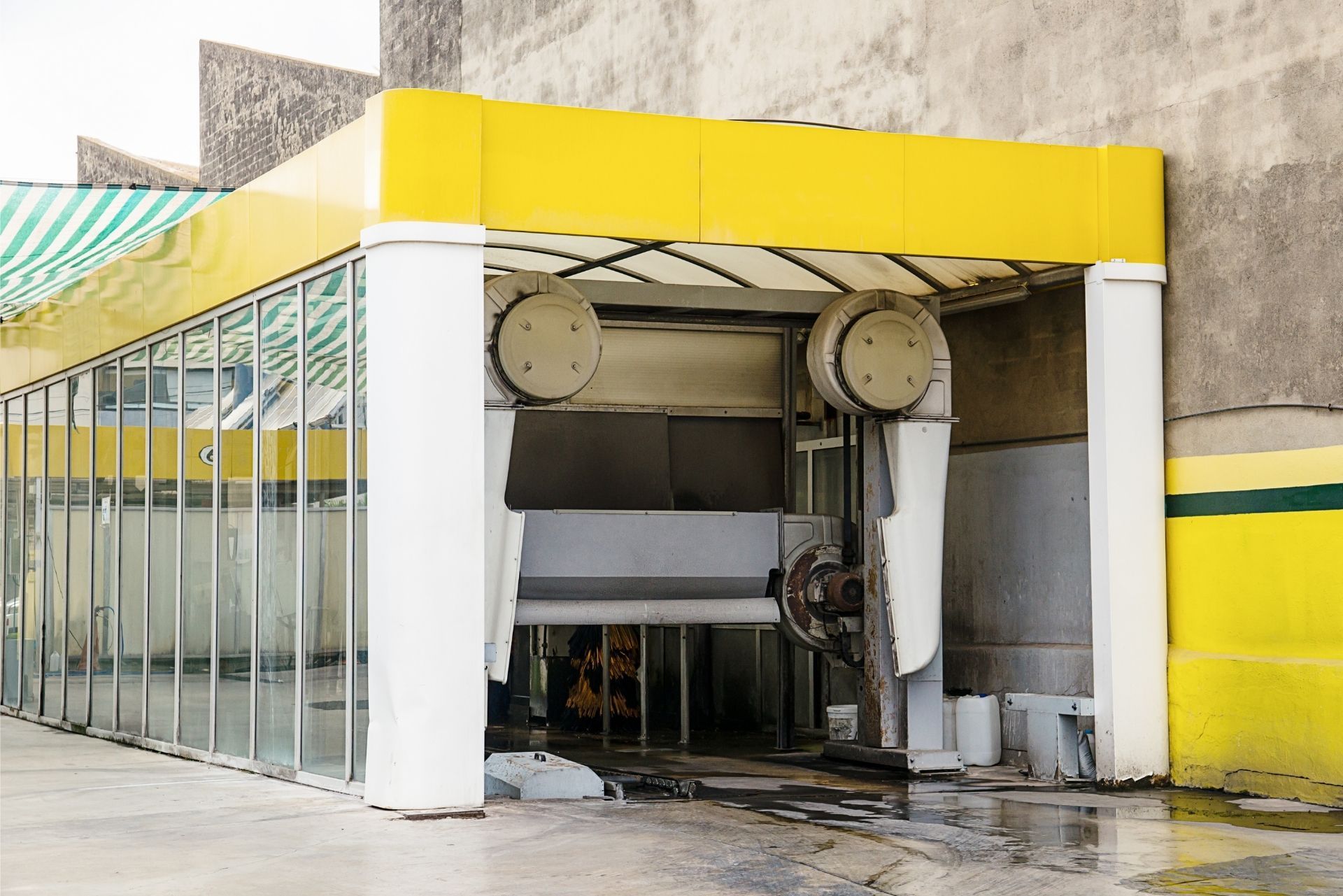
California car wash tunnels are a compelling niche within a broader market that generates more than $3.4 billion in revenue (IBISWorld). These facilities go beyond a simple cleaning process. They represent a blend of modern machinery, water recycling systems, and environmental safeguards. The operational challenges include maintaining high-speed throughput without compromising the safety and quality of service. Every component counts and helps shape the risk profile that insurance policies need to address.
Intertwined with daily operations are layers of compliance related to environmental impact, labor laws, and even municipal planning. Certain municipalities have taken steps to manage market saturation. For instance, in December 2025, the city of Brentwood, CA, banned new car wash developments citing saturation in the market (CWDailyNews). The regulatory environment continues to shape how these businesses operate and, consequently, how their insurance policies are tailored.
However, the challenges extend beyond local ordinances. Operators face significant liability risks, intricate equipment dependencies, and workforce dynamics that are unique to car washes, particularly where tunnels and automated systems dictate fast-moving, high-risk environments. In this context, understanding the current state of the industry is the first step toward successfully mitigating risks.

The Critical Role of Comprehensive Insurance
Car wash tunnel enterprises often operate in environments where a misstep can result in high-stakes claims, legal disputes, or costly replacements. Comprehensive insurance policies help shield these businesses from financial fallout. Coverage options typically include workers’ compensation, liability, environmental impairment, and equipment breakdown policies. Each dot of coverage intersects with the unique challenges of operating high-tech cleaning equipment and managing environmental hazards (Car Wash Insurance Group).
For instance, workers’ compensation insurance is indispensable given the physical nature of the work. Many employees operate heavy equipment and encounter potential hazards daily. A thorough policy covers any on-site accident or injury, safeguarding confidential finances against unexpected claims. Equally, liability insurance counters claims arising from property damage, slip-and-fall incidents, or issues linked to the quality of service.
Environmental impairment insurance also holds special significance for businesses in this sector. Car wash tunnels rely on water-intensive systems that might expose operators to regulatory fines or clean-up costs if contaminants leak into the environment. Insurance policies that specifically address these risks become integral to a business’s operations, ensuring that a single incident does not spiral into financial disaster.
The Spectrum of Insurance Options for Car Wash Tunnels
Workers' Compensation
A car wash tunnel is a dynamic workplace where workers maneuver through fast-moving environments with heavy, often automated, machinery. Having the right workers’ compensation coverage in place is essential to protect both employees and employers against unexpected injuries. This type of insurance helps cover medical expenses, rehabilitation costs, and lost wages when accidents occur.
Considering that the car wash industry in California generated $1.6 billion in sales as early as 2017, with workers earning an average annual salary of $21,199 (UCLA Institute for Research on Labor and Employment), the need for adequate compensation is clear. This insurance serves as a safety net that not only supports the workforce but also underpins operational continuity.
Workers' compensation premiums, therefore, should be seen not as a cost but as a critical investment. Employees who feel secure are more productive, leading to fewer costly disruptions and the potential for improved service quality.
General Liability Insurance
The cavernous tunnels used in car washing operations harbor risks that come with high-speed mechanic processes. General liability insurance is designed to mitigate risks that include property damage, bodily injury, or accidental mishaps that occur on the premises. Considering that nearly 90% of car wash locations in the U.S. are family-owned businesses (Gitnux), a mishap could have devastating personal financial implications if not properly insured.
General liability also addresses issues that might go beyond immediate physical injuries. Complaints about service quality or product issues can sometimes lead to legal action. Insurance coverage for these contingencies is crucial in defending against claims that could otherwise extend far beyond the scope of routine business operations.
This coverage is particularly relevant for automated car wash tunnels where technology intersects with higher levels of operational risk. The investment in an appropriate liability policy is, therefore, a necessary cornerstone in overall risk management.
Regulatory and Compliance Considerations
Operating a car wash tunnel in California requires careful navigation through a web of regulations that encompass local municipal laws, environmental safeguards, and labor regulations. Many municipalities in California have taken proactive steps to address oversaturation in the market. For example, the city of Brentwood’s recent ban on new car wash developments reflects such concerns (CWDailyNews). This regulatory shift pressures established businesses to maintain high standards without expanding recklessly.
Beyond local mandates, state-level environmental regulations require that car washes take robust measures to minimize water waste and chemical runoff. Non-compliance can lead to heavy fines or even forced closures. In light of these obligations, environmental impairment insurance plays a significant role. This technology-specific coverage eases the financial burden associated with meeting stringent environmental laws, protecting businesses from the hidden costs of non-compliance.
The seamless functioning of a car wash tunnel depends on adhering to a comprehensive regulatory framework. Insurance policies that embed regulatory requirements within their coverage design provide operators with additional layers of security. They ensure that legal requirements are met without exposing the business to unexpected liabilities.
Emerging Trends and Industry Developments
The car wash industry is ever-changing, shaped by market demands, technological advancements, and shifts in consumer behavior. In April 2025, for example, Raceway Express Car Wash expanded its portfolio by acquiring Foothill Express in Fontana, California (CarwashPro). This acquisition marked a strategic move that bolstered its presence in Southern California. Such consolidation trends signal industry evolution, creating both opportunities and new challenges related to scaling and insurance adequacy.
Industry consolidation not only affects market dynamics but also influences how risks are perceived. Larger chains with multiple locations often have substantial insurance policies that cater to a wide range of risks. In contrast, family-owned businesses-the backbone of several operations-must navigate their unique risk profiles with policies designed for smaller-scale operations (Gitnux). This diversity in business structure directly influences the types of insurance products needed and dictates coverage limits that align with operational size and revenue streams.
In this shifting environment, staying current with market trends and regulatory changes is paramount. Car wash operators who proactively update their insurance coverage in line with market evolutions demonstrate resilience against unforeseen disruptions, ensuring that both growth and stability remain achievable objectives.
Detailing the Coverage Spectrum
A robust insurance portfolio for car wash tunnel operations should include a variety of specialized coverage elements. Owners must carefully analyze the range of risks they face and select policies that emphasize proactive risk management. Coverage areas that deserve special attention include workers’ compensation, liability, environmental impairment, and equipment breakdown. Each of these policies addresses unique elements of risk that a tunnel-centric operation might encounter.
Experts routinely emphasize that having the correct car wash insurance policy is essential. Stonepoint Insurance Service succinctly noted that a well-tailored policy is critical to ensuring business resilience (Stonepoint Insurance Service). Their advice resonates strongly across the industry, where a seemingly minor oversight in policy coverage can quickly translate into major financial repercussions.
Another facet of insurance that demands attention is equipment breakdown coverage. Car wash tunnels rely heavily on complex mechanical systems. These machines are not only expensive to maintain, but they also require precision programming and regular servicing. Coverage for equipment breakdown thus acts as a safeguard against the financial strain caused by sudden equipment malfunctions or unforeseen technical issues that can halt operations.
Understanding Environmental Impairment Insurance
Car wash tunnel operations rely on significant volumes of water and chemicals to clean vehicles effectively. Since these processes can pose environmental hazards, regulatory requirements are often stringent. Environmental impairment insurance addresses risks associated with chemical spills, water contamination, and other environmental damages. This specialized coverage is crucial in shielding businesses from the high cost associated with cleanup or fines in the event of accidental contamination.
Given the strict environmental standards imposed on industries that use water-intensive processes, maintaining robust coverage is not merely best practice-it is a necessity. Operators need to be prepared for the possibility of environmental claims that can arise unexpectedly, ensuring that any fallout does not jeopardize their financial standing.
As Californian regulations continue to evolve, an insurance package that includes environmental impairment coverage not only fulfills compliance requirements but also builds a buffer against economic shocks. This kind of protection is part of a holistic approach to risk management, blending legal compliance with operational resilience.
Evaluating Risks: Equipment Breakdown and Technological Advances
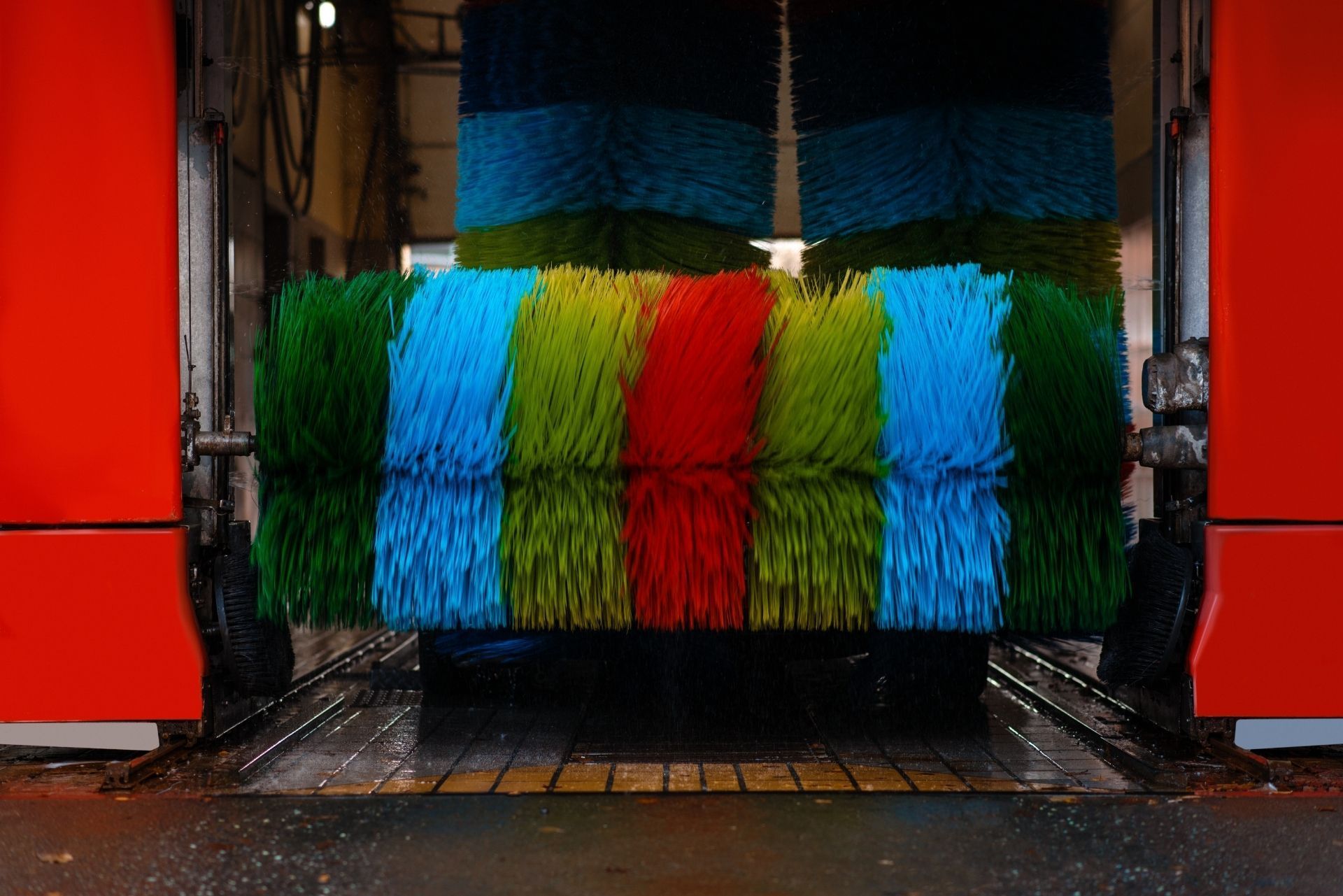
The rapid technological advancements in automated cleaning systems mean that car wash tunnels operate on intricate networks of machinery and electronics. Equipment breakdown insurance protects against the high costs associated with repairing or replacing critical components. Even minor malfunctions can interrupt the service flow, potentially turning routine maintenance into an expensive crisis.
As technological systems evolve, the industry sees regular upgrades and advancements that must be factored into insurance policies. For example, the integration of computerized diagnostic systems and remote monitoring software can improve operational efficiency, but they also introduce vulnerabilities that may not be addressed by general liability policies. Specialized equipment breakdown coverage fills this gap, ensuring that high-tech equipment receives the protection it requires.
This aspect of insurance is especially relevant in the modern car wash industry, where innovation is rapid, and technology integration is the norm. By selecting policies that cater to these technical risks, operators can focus on innovation without worrying about the financial implications of unexpected equipment failures.
Comparing Insurance Policies: A Side-by-Side Overview
Comparing insurance options is the best way to understand the trade-offs between different policies. Below is a table comparing basic coverage against extended coverage options that are often part of a comprehensive insurance package for car wash tunnel operations. The comparison highlights critical differences in protection scope, cost implications, and risk coverage areas.
| Coverage Type | Basic Policy | Extended Policy |
|---|---|---|
| Workers' Compensation | Covers immediate injury claims and medical expenses | Includes rehabilitation services and extended wage replacement |
| General Liability | Covers property damage and bodily injury claims | Offers additional protection for legal fees and settlement costs |
| Environmental Impairment | Basic coverage for minor chemical spills | Extends to cover large scale contamination incidents and regulatory fines |
| Equipment Breakdown | Covers mechanical malfunctions with limited repair costs | Provides full replacement costs and expedited repair services |
This table is extremely useful when evaluating the necessary coverage for a specific operation. It provides clarity on what each level of insurance offers and helps operators stay informed about where their money is best invested.
By understanding these distinctions, business owners can tailor their insurance portfolios to not only meet regulatory requirements but also reinforce the economic fortitude of their operations.
Financial Implications and Risk Management Strategies
Investing in comprehensive insurance is a crucial financial strategy for reducing unforeseen risks. Car wash tunnel enterprises often operate on tight margins, where a single disruption can lead to substantial revenue loss. In this environment, insurance functions as a financial anchor, preventing small issues from becoming major financial debacles.
Risk management begins with assessing vulnerability across various fronts: employee safety, equipment reliability, and environmental impact. With these elements contributing to the overall risk puzzle, comprehensive policies create an integrated safety net that aligns with the business’s risk profile. The financial implications of an inadequate policy can be staggering, particularly when regulatory non-compliance leads to hefty fines or protracted legal battles.
As expert insights indicate, full-spectrum coverage wraps around every aspect of risk, making it imperative for companies to evaluate what might appear as superfluous costs. In reality, each dollar spent on robust insurance multiplies operational security-providing a strong defense that underpins business longevity and operational efficiency.
Case Study: Navigating Rapid Changes in the Industry
An example of adaptation in the car wash tunnel segment is seen in recent industry developments. In April 2025, a significant acquisition by Raceway Express Car Wash, when it acquired Foothill Express in Fontana, CA, underscored how major players are reinforcing their presence per evolving market trends (CarwashPro). Such strategic moves are often accompanied by optimized insurance portfolios that reflect not only expanded operations but also increased liabilities.
This case exemplifies the need for dynamic insurance strategies. As businesses evolve through acquisitions and expansions, detailed policies become even more crucial. Car wash tunnel operators utilize specialized insurance to mitigate the financial risks inherent to scaling operations. This strategic approach to risk management is a hallmark of a sophisticated business model that prioritizes sustainability amid industry consolidation.
Family-owned businesses, which dominate nearly 90% of locations nationally (Gitnux), occasionally face unique challenges when financial pressures collide with legacy management practices. A well-structured insurance plan bridges the gap between tradition and modernity; it simultaneously addresses contemporary risks while preserving the company's heritage and principles.
Frequently Asked Questions
The following section addresses some of the most common questions asked by car wash tunnel operators and business owners about insurance considerations.
Do I really need specialized car wash tunnel insurance?
Yes. A car wash tunnel operation faces unique risks, such as equipment breakdown and environmental hazards, that standard business policies may not cover.
What does environmental impairment insurance cover?
This coverage addresses risks including chemical spills, water contamination, and other environmental claims that could result in heavy fines or cleanup costs.
How does workers' compensation fit into my overall insurance portfolio?
Workers' compensation protects your business against claims related to workplace injuries by covering medical expenses and lost wages, which is essential given the physical nature of the job.
Why is equipment breakdown insurance essential for car wash operations?
Equipment breakdown insurance covers the repair or replacement costs of automated cleaning machinery, ensuring minimal downtime in your service operations if a malfunction occurs.
What should I consider when comparing insurance policies?
When comparing policies, pay attention to coverage scope, included services such as legal fee coverage or expedited repairs, and how well the policy fits your operation's unique risk profile.
Wrapping Things Up: Insurance as a Pillar of Stability
Operating a car wash tunnel in California demands a keen understanding of both operational intricacies and the wider regulatory environment. Insurance is not a one-size-fits-all solution but a carefully crafted shield that mitigates risks ranging from worker injuries to environmental accidents. As showcased throughout this article, the necessity for detailed insurance coverage-spanning workers’ compensation, liability, environmental, and equipment breakdown-is grounded in practical risk management strategies rather than an abstract legal obligation.
Financial stability, successful risk mitigation, and regulatory compliance are tightly interwoven. A robust insurance policy offers operators the flexibility to embrace technological advances, adapt to changing market trends, and even navigate regulatory shifts like the Brentwood car wash ban. For businesses large and small alike, investing in the right coverage translates into fewer disruptions, stronger resilience against unforeseen events, and ultimately, smoother operations.
By taking a proactive approach to insurance, operators can secure their operations against the multifaceted risks inherent in running a state-of-the-art car wash tunnel facility. The knowledge acquired by carefully analyzing market data, technological trends, and regulatory changes informs smarter insurance decisions-ensuring that the business remains as gleaming and resilient as the vehicles it cleans.
Looking Ahead: Future Trends in Insurance for Car Wash Tunnels
While the current landscape presents a robust array of challenges, looking to the future offers opportunities for enhanced protection. Insurance offerings may evolve to accommodate emerging risks tied to increasingly advanced automation and even greater environmental demands. Operators should keep abreast of technological innovations, policy revisions, and new market entrants that impact the broader industry's risk profile.
Future trends point toward even tighter integration of risk management tools and insurance technologies. Many businesses are now considering digital monitoring systems that feed real-time data back to insurers. These kinds of innovations allow for dynamic premium adjustments and prompt risk alerts, ultimately crafting a customized insurance experience that responds flexibly to day-to-day operations.
Staying informed about these technological advancements while rigorously maintaining coverage is essential. The road ahead may be filled with changes, but one thing remains certain: the right insurance policy today positions a car wash tunnel operation for a secure and innovative tomorrow. For a field that continues to draw vast investments and high operational demands, insurance is not just a static requirement-it is your strategic partner in growth and innovation.
Before You Go: Final Thoughts on Car Wash Tunnel Insurance
Deciding on the right insurance policy demands a deep dive into the unique risks that each business faces. For California car wash tunnel operations, this involves addressing a spectrum of hazards from worker injuries and equipment failures to environmental challenges. Each layer of coverage reinforces a business model built on precision and high stakes operations.
The journey toward a resilient car wash tunnel is anchored in the wisdom of expert insights, the understanding of real market data, and the awareness of regulatory shifts that shape today’s business climate. As mortgage-like financial stakes interplay with the daily grind of operating state-of-the-art cleaning machinery, insurance emerges as a strategic instrument that underpins sustainable growth. Robust policies allow businesses to focus on innovation and service quality while confidently navigating the uncertainties of the industry.
With market dynamics evolving and regulations tightening, now is the time to review and optimize existing policies. An informed, well-tailored insurance plan guarantees that businesses not only comply with legal requirements but also execute their operations with confidence. For those navigating this intricate landscape, remember that every element of comprehensive coverage actively contributes to a more secure, efficient, and successful car wash tunnel operation.
Understanding the crucial role of insurance means understanding that every component-from workers' compensation to environmental impairment-works together to protect your bottom line. As the industry continues to attract significant investments and undergo rapid technological improvements, ensuring that your business is properly insured can truly be the difference between thriving and merely surviving.
About The Author:
Michael Fusco
As CEO and Principal of Fusco Orsini & Associates, I’m dedicated to helping businesses and individuals achieve peace of mind through smarter insurance solutions. With extensive experience in commercial insurance and risk management, I focus on building long-term relationships and providing clarity, trust, and value in every policy we deliver.
// Coverage for Your Company
Protect Your Business, Employees, and Assets
We help business owners protect their companies from risks that can disrupt operations or threaten growth. Our team explains your options clearly and guides you to the right coverage for your business.
// Who We Help
Focused Insurance for Your Industry
We understand the unique risks and needs of different industries. Our team provides clear guidance and customized coverage to help you operate with confidence.

// Coverage for Individuals and Families
Protect What Matters Most at Home and Beyond
Renters Insurance
Affordable protection for your personal property in a rented space.
Life Insurance
Ensure your loved ones are financially secure when they need it most.
Umbrella Insurance
Extra liability coverage to protect you beyond standard policies.

// Frequently Asked Questions
Clear Answers to Common Questions

5.0 Reviews on Google
What You Need to Know Before Getting Started
People often ask us about the most common questions around business consulting, insurance, and employee benefits.
What types of insurance does my business need?
We evaluate your operations, identify risks, and explain the policies that make sense for your business. Our goal is to help you understand what you’re buying and ensure nothing important is overlooked.
The right coverage depends on your industry, size, and exposures. We’ll walk you through each option and help you make a confident decision.
Do you provide employee benefits?
Yes. Our dedicated benefits team offers group health, dental, vision, life, and disability plans. We also help employees with claims and explain how to use their benefits effectively.
We design plans that meet your company’s goals while keeping costs manageable and ensuring employees feel supported.
Do you only serve clients in California?
No. While we are based in San Diego, California, we work with clients in 31 states across the country.
We have the licenses and experience to support businesses of all sizes wherever they operate.
Can you review my existing policies?
Absolutely. We offer policy reviews at no cost to you. We’ll look for gaps in coverage, overlapping policies, and opportunities to save money.
Our team makes transitioning from your current provider simple and seamless.
How quickly can I get a quote?
In most cases, we respond the same business day with clear options and next steps.
We know that time matters, and we work efficiently to provide you with answers and coverage without unnecessary delays.
// What Our Clients Say
Reviews from Business Owners Like You
Over 500 Five-Star Ratings Across Platforms
// Business Tips & Resources
Helpful Articles for Business Owners
Our blog offers clear advice to help you protect your business, support your employees, and plan for the future with confidence.
Contact Us
Phone
Location