



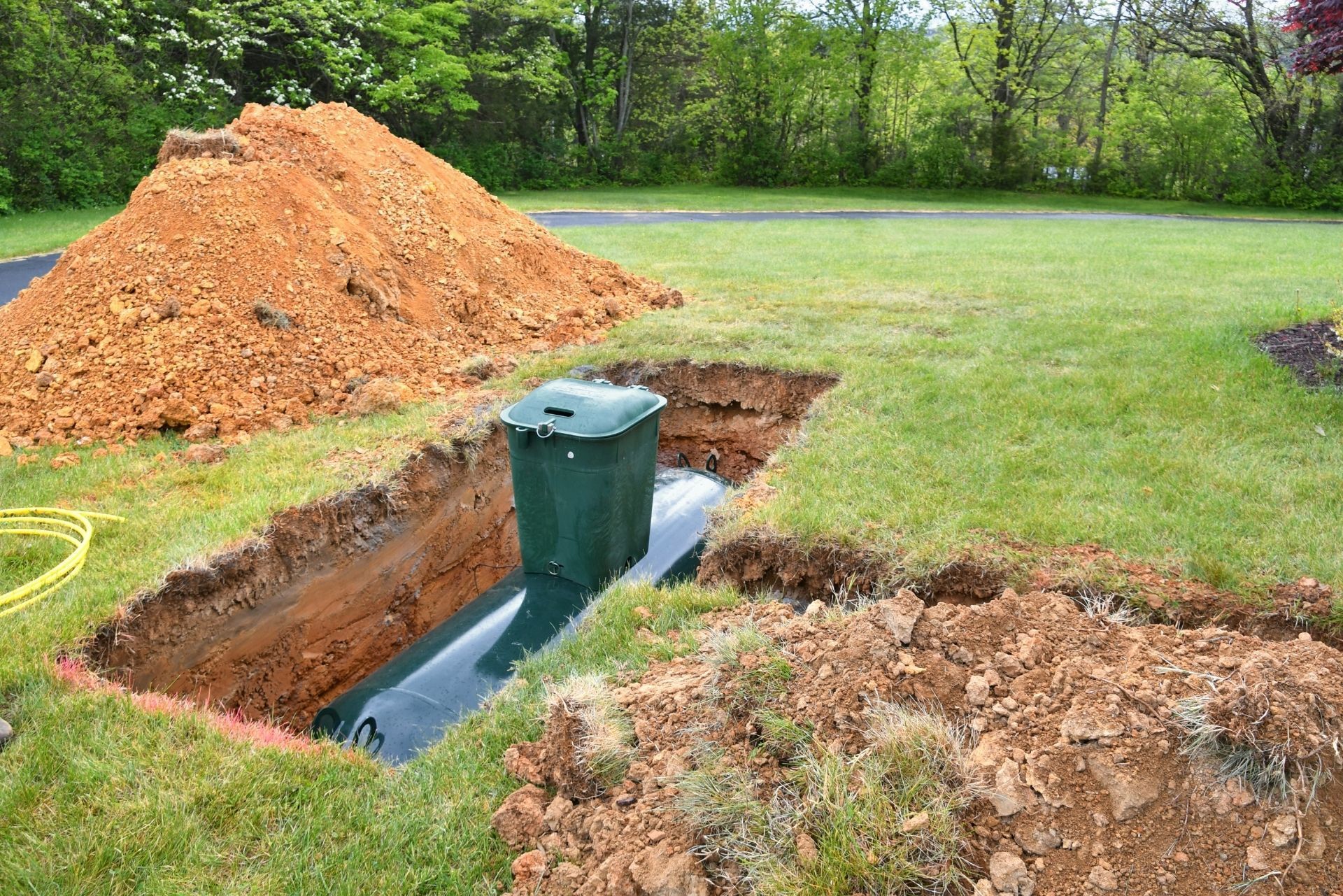
On a quiet weekday outside a Central Valley town, a crew opens a septic tank for routine pumping and finds a failed leach field, surfacing effluent, and an anxious homeowner filming everything on a phone. The situation shifts from maintenance to potential contamination, property damage, and a likely insurance claim in minutes. With approximately 1.2 million onsite wastewater treatment systems in service across California
according to the State Water Resources Control Board, septic installers and pumpers face this kind of high stakes work every single day.
Why Septic Installers And Pumpers Need Specialized Coverage In California
Septic professionals handle one of the least glamorous but most critical parts of California infrastructure. Every install, repair, or pumping job touches wastewater, soil, and groundwater. When something goes wrong, the fallout travels fast. Property damage, contamination, odors, and health concerns quickly turn into complaints and potential lawsuits.
Local regulators also know the system count is underreported. In one county discussion, environmental health staff acknowledged that there is "a lot more actually in use, constructed, than we have permits on" in reference to onsite systems. For contractors, that means many older, undocumented installations that can fail unexpectedly when disturbed, making liability harder to predict and harder to defend.
Standard business insurance often is not built with this risk profile in mind. Septic work brings together excavation, confined space hazards, heavy trucks, environmental exposure, design and installation responsibility, and emergency service. A general contractor policy copied from a different trade can leave large gaps. Specialized coverage acknowledges that a line plugged with sludge, an overfilled tank that backs up into a home, or a mislocated replacement system can all put the contractor on the hook.


Regulatory Landscape: OWTS Policy, Inspections, And Environmental Risk
California does not treat septic work as a simple private matter between homeowner and contractor. The State Water Resources Control Board has adopted a statewide Onsite Wastewater Treatment Systems Policy for septic systems, and many agencies and tools reference that framework when evaluating local requirements including statewide septic resources. Counties then add their own standards on top, from setback distances and soil testing to mandatory upgrades in sensitive areas.
Routine inspection and maintenance feed directly into that regulatory picture. A septic tank inspection typically costs between 100 and 200 dollars, and the same legal guidance notes that a septic aerator can boost in-tank decomposition efficiency while reducing the risk of environmental damage from runoff, seepage, or surface effluent dispersal according to a California septic law overview. When systems are not inspected or upgraded on a realistic schedule, the installer or pumper often becomes the first target when a failure finally becomes visible.
Contractors also work under a mix of building codes, health department rules, and water quality expectations. These rules influence everything from acceptable system designs to what counts as a repair versus a full replacement. A misunderstanding anywhere in that chain can lead to stop work orders, fines, or allegations that the contractor installed something out of code. Good insurance does not replace regulatory compliance, but it does provide a financial backstop when enforcement escalates into a claim.
Core Insurance Coverages Every Septic Pro Should Consider
Coverage for septic installers and pumpers should match the way work actually happens in the field. That usually means combining several policies rather than relying on one catchall. Each type of coverage addresses a different slice of risk: people, vehicles, equipment, pollution, and advice or design decisions.
Thinking about coverage in layers helps. Start with what protects third parties, then the business itself, then the owners and key employees. The goal is to prevent a single accident or lawsuit from wiping out years of hard work building a reputation and client base.
General Liability For Onsite Work And Property Damage
General liability is usually the first line of defense for septic businesses. It addresses third party bodily injury and property damage that happens because of the contractor's operations. For example, if effluent backs up into a home after a pump out, a line is broken during excavation, or a worker accidentally damages a neighbor's driveway with heavy equipment, general liability is the policy that typically responds.
Septic contractors should pay attention to pollution and professional exclusions in these policies. Some general liability forms significantly limit coverage for contamination or anything involving waste. Others exclude claims tied to advice, design, or inspection. A policy that looks affordable on paper can be nearly useless if it denies coverage for leaks, seepage, or oversights in system layout.
Commercial Auto For Pump Trucks And Service Vehicles
Every pumper relies on trucks, often customized rigs with tanks, hoses, and power takeoffs. These vehicles carry heavy loads on rural roads, up steep driveways, and into tight spaces. Collisions are an obvious risk, but so are rollovers, backing accidents, and injuries while operating equipment attached to the truck.
Commercial auto coverage should reflect how these vehicles are truly used. That includes liability for accidents, physical damage coverage for the trucks themselves, and attention to any endorsements that deal with transported waste. Some carriers treat vacuum trucks differently from standard service vehicles, so it helps to work with an agent who knows what to ask for and how to document usage.
Workers Compensation For Field And Yard Crews
Septic work exposes employees to excavation hazards, confined spaces, biological materials, and heavy equipment. A simple misstep climbing into or out of a tank truck, or a cave in at a shallow trench, can cause serious injury. Workers compensation coverage is what pays for medical treatment and lost wages when employees get hurt on the job.
Underwriters will often examine how training is handled, whether crews work in pairs, and how confined space procedures are documented. Septic contractors that can demonstrate strong safety practices are often better positioned to keep workers compensation rates in a manageable range over time.
Pollution And Environmental Liability
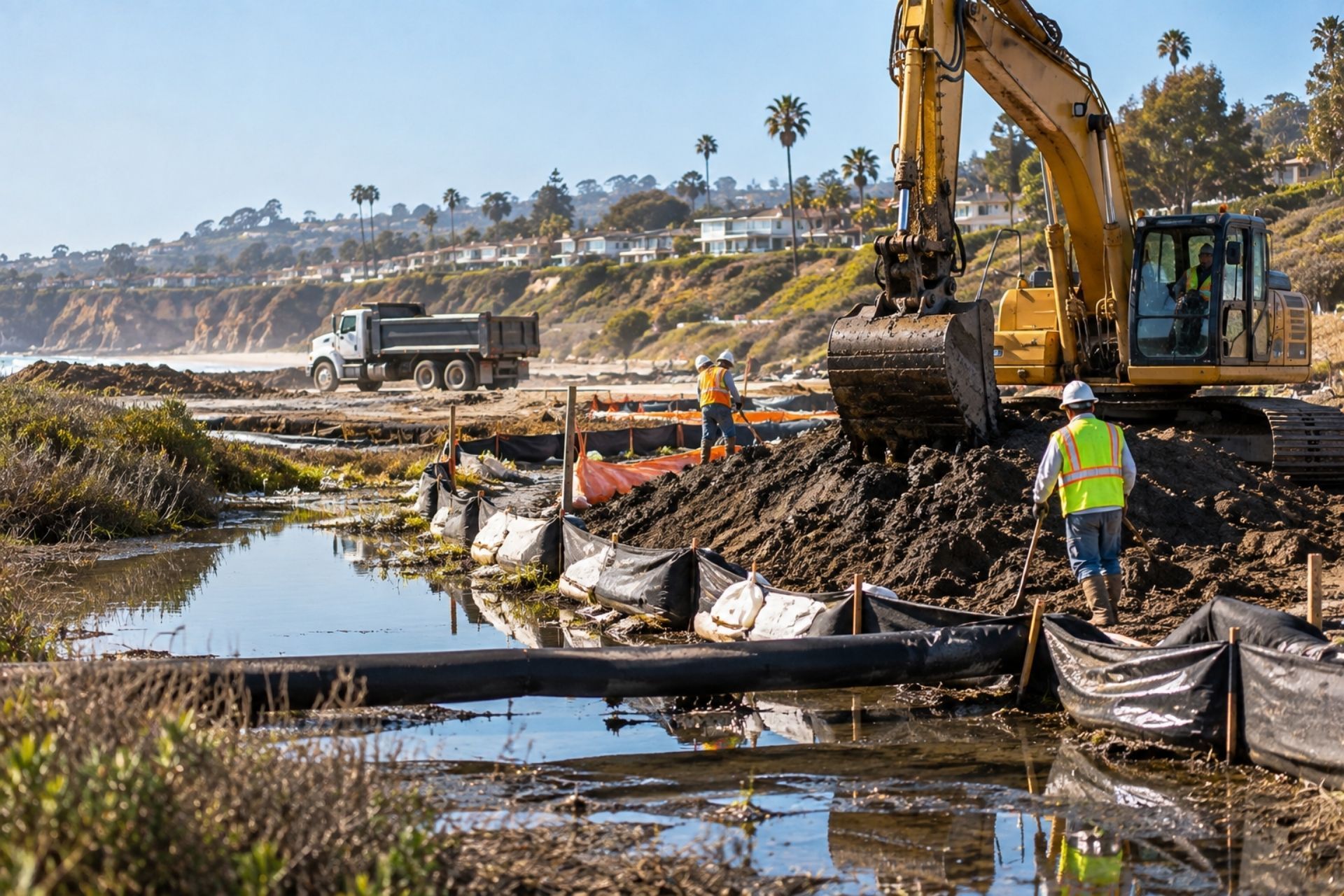
For septic installers and pumpers, pollution is not a theoretical risk. It is built into the work. Spills during pumping, cross connections with drainage, misrouted effluent lines, or failed leach fields can all trigger claims that go beyond simple property damage. Neighbors and regulatory agencies may allege contamination of wells, streams, or wetlands.
Standalone pollution liability or an environmental impairment policy can fill the gap left by standard general liability exclusions. These policies are designed to address gradual leaks as well as sudden events, offer cleanup cost coverage, and in some cases respond to regulatory actions. For contractors who regularly work near waterways or in sensitive coastal and hillside zones, this type of coverage can be the difference between a survivable incident and bankruptcy.
Professional Liability And Design Errors
Many septic contractors do more than follow a set of engineered plans. They help size systems, recommend technologies, advise on repairs versus replacement, and interpret local code. Those judgments can later be second guessed when a system underperforms or fails. That is where professional liability, sometimes called errors and omissions coverage, becomes important.
This coverage addresses financial losses that arise from mistakes in advice, design, or inspection rather than strictly from physical damage. For example, if a contractor recommends a system that is too small for an expanded home and the owner has to redo the installation at significant cost, professional liability coverage can help respond to the claim, including legal defense.
Property And Equipment Coverage
Beyond trucks, septic businesses often own excavators, skid steers, trailers, jetting equipment, pumps, and a yard full of tools and parts. These assets can be insured through a combination of commercial property and inland marine or equipment floaters that travel with gear from job to job.
Key questions include where equipment is stored, how often it is moved, and whether it is rented out or loaned to others. Theft from jobsites, fire at the yard, or damage from rollover incidents can all be covered when policies are structured correctly. Given the cost to replace modern equipment, skimping on this coverage can be a painful mistake.
Umbrella And Excess Liability
Claims involving contamination, injuries, or property loss can quickly escalate. A serious accident involving a pump truck and multiple vehicles, or an alleged contamination event that draws media attention, can exhaust primary policy limits. Umbrella or excess liability sits on top of other coverages and provides additional capacity when losses exceed those base limits.
For septic contractors working on municipal projects, large commercial properties, or high value homes, contract requirements often dictate minimum total liability limits. An umbrella policy is typically the most cost effective way to reach those numbers while keeping the underlying general liability and auto limits at practical levels.
At A Glance: How Core Coverages Work Together
It can help to see how these policies line up side by side. While details vary by carrier, the core purpose of each type of coverage tends to follow the same pattern for most septic contractors.
| Coverage Type | Main Purpose | Example For Septic Pros |
|---|---|---|
| General Liability | Protects against third party injury or property damage caused by operations. | Client claims yard flooding and foundation damage after a leach field replacement. |
| Commercial Auto | Covers liability and physical damage involving business vehicles. | Pump truck slides on a wet driveway and hits a parked car. |
| Workers Compensation | Addresses employee injuries and related medical and wage costs. | A technician strains a back while moving a tank lid. |
| Pollution Liability | Responds to contamination claims and cleanup costs. | Spilled effluent during pumping allegedly reaches a nearby creek. |
| Professional Liability iability | Protects against financial loss from errors in advice or design. | Improper system sizing leads to repeated backups and a demand for full replacement. |
| Property / Equipment | Addresses allegations of errors in lift planning, engineering input, or coCovers owned buildings, tools, and movable equipment. nsulting | Excavator stored in the yard is stolen overnight. |
| Umbrella Liability | Provides extra liability limits above primary policies. | Major pollution and injury claim exceeds general liability limits. |
Market Pressures On California Contractor Insurance
Insurance for construction and specialty trades in California is not standing still. Carriers pay close attention to legal trends, jury awards, and regulatory actions, and they adjust their appetite and pricing in response. Septic installers and pumpers share many risk factors with other heavy equipment and fluid handling trades, so they feel the ripple effects quickly.
One specialty agency notes that the insurance landscape for concrete pumping companies in California is shifting rapidly, and attributes much of that strain to increasing litigation and high verdicts that drive tighter underwriting standards and higher premiums according to industry commentary. Septic businesses operate in a similar claim environment: high property values, active plaintiffs lawyers, and regulators attentive to environmental impacts all translate into more scrutiny from insurers.
Carriers now commonly ask for more detail during the application and renewal process. They want to know how often emergency calls are handled at night, whether work is performed on steep slopes or near waterways, how employee training is documented, and how often newer technologies such as aeration systems are installed. Accounts that provide clear answers and strong documentation often have more leverage when negotiating coverage terms and pricing.
Practical Risk Management To Keep Claims And Premiums Under Control
Insurance responds after something goes wrong. Smart risk management reduces how often that happens and how severe it becomes when it does. Septic installers and pumpers who build safety and quality controls into daily operations tend to see fewer claims, better renewal offers, and more options when carriers tighten standards.
One of the most effective tools is job documentation. Site photos, soil test records, permits, signed proposals, and change orders all help show what was agreed upon and how work was performed. When a homeowner or regulator later questions an installation depth, setback, or material choice, strong documentation gives the insurer more to work with in defending the claim.
Regular equipment maintenance is just as critical. Pumps, hoses, valves, and fittings that are inspected and serviced on a predictable schedule are less likely to fail during a job. Written procedures for handling spills, managing confined space entries, and responding to alarms at advanced systems also demonstrate to underwriters that risk is being taken seriously.
Aligning Operations With Regulatory Expectations
Because California ties septic systems directly to water quality protection, regulators play a central role in how risk is perceived. Contractors who stay ahead of local rule changes and document compliance tend to fare better if a problem surfaces. For example, keeping a simple matrix of each county or city's setback and sizing rules can prevent a well intentioned crew from applying the wrong standard on a border job.
Pre job checklists help as well. Confirming permit approvals, verifying property boundaries, and reviewing any known well locations or drainage features before digging can prevent missteps that later turn into enforcement actions. When installers treat inspectors as partners instead of adversaries, that cooperative history can be valuable context if a disputed system ends up in a hearing room or courtroom.
For pumpers, tracking service histories and noting warning signs such as repeated backups, odors, or saturated soil gives both the homeowner and the contractor a clearer picture of developing issues. When those concerns are documented and shared in writing, it becomes harder for someone to claim they were never warned about a compromised system.
Working With An Insurance Specialist Who Understands Septic Work
Not every insurance agent or broker is familiar with the realities of septic installation and pumping. Policies for office based businesses or light service trades do not translate cleanly to work that involves excavation, wastewater, and environmental exposures. Partnering with someone who regularly places coverage for construction and environmental contractors can make a noticeable difference.
An experienced advisor will ask about more than payroll and vehicle count. Expect questions about the percentage of work that is residential versus commercial, how often systems are designed in house, whether any municipal or industrial contracts are handled, and how emergency after hours calls are managed. These details help match the business with carriers that understand and price the risk fairly.
It is also worth reviewing coverage at least once a year in light of any changes. Growth into new service areas, adding advanced treatment technologies, or taking on design build responsibilities can all affect which policies and limits make sense. A quick annual check in is often enough to spot gaps before a claim exposes them.
Frequently Asked Questions For California Septic Installers And Pumpers
What kinds of claims hit septic installers and pumpers most often?
Common claims include property damage from excavation, backups after a pump out or repair, truck accidents, employee injuries, and allegations of contamination affecting wells, landscaping, or nearby waterways. Disputes over whether a system was properly sized or installed also show up regularly, especially when homes are expanded after the original work.
Is standard general liability enough for septic work?
For many contractors, a basic general liability policy by itself is not enough. Septic work brings pollution and professional exposure that may be excluded or severely limited under a standard form. Adding pollution and, in some cases, professional liability coverage is often necessary to match real world risk.
How often should coverage limits be reviewed?
Coverage limits should be revisited whenever the business changes size or scope, such as adding more trucks, hiring additional crews, or taking on larger commercial or municipal projects. Even without major changes, an annual review helps make sure policy limits still line up with current replacement costs, legal trends, and contract requirements.
Do regulators care whether a contractor is insured?
Regulators primarily focus on code compliance and environmental protection, but insurance status often comes up in permit applications, bid requirements, and enforcement actions. Being properly insured signals professionalism and provides peace of mind for property owners and public agencies that the contractor can address problems if they arise.
How does the broader insurance climate in California affect septic businesses?
Septic contractors operate in the same statewide insurance market as other property and casualty policyholders. For example, the Department of Insurance has highlighted consumer protection efforts in which more than 198 million dollars was returned to policyholders, showing how actively the state monitors carrier practices and market conditions according to reporting on state insurance oversight. That level of scrutiny, combined with rising claim costs, shapes how carriers price and underwrite coverage for all high risk trades, including septic work.
What is one practical step a septic business can take to look better to underwriters?
Documented safety and training programs make a strong impression. Written procedures for excavation safety, confined space work, spill response, and equipment maintenance show that risk is being managed intentionally. When paired with clean loss runs and detailed job records, this kind of documentation often leads to more competitive quotes and better renewal options.
About The Author:
Michael Fusco
As CEO and Principal of Fusco Orsini & Associates, I’m dedicated to helping businesses and individuals achieve peace of mind through smarter insurance solutions. With extensive experience in commercial insurance and risk management, I focus on building long-term relationships and providing clarity, trust, and value in every policy we deliver.
// Coverage for Your Company
Protect Your Business, Employees, and Assets
We help business owners protect their companies from risks that can disrupt operations or threaten growth. Our team explains your options clearly and guides you to the right coverage for your business.
// Who We Help
Focused Insurance for Your Industry
We understand the unique risks and needs of different industries. Our team provides clear guidance and customized coverage to help you operate with confidence.



// Coverage for Individuals and Families
Protect What Matters Most at Home and Beyond
Renters Insurance
Affordable protection for your personal property in a rented space.
Life Insurance
Ensure your loved ones are financially secure when they need it most.
Umbrella Insurance
Extra liability coverage to protect you beyond standard policies.

// Frequently Asked Questions
Clear Answers to Common Questions

5.0 Reviews on Google
What You Need to Know Before Getting Started
People often ask us about the most common questions around business consulting, insurance, and employee benefits.
What types of insurance does my business need?
We evaluate your operations, identify risks, and explain the policies that make sense for your business. Our goal is to help you understand what you’re buying and ensure nothing important is overlooked.
The right coverage depends on your industry, size, and exposures. We’ll walk you through each option and help you make a confident decision.
Do you provide employee benefits?
Yes. Our dedicated benefits team offers group health, dental, vision, life, and disability plans. We also help employees with claims and explain how to use their benefits effectively.
We design plans that meet your company’s goals while keeping costs manageable and ensuring employees feel supported.
Do you only serve clients in California?
No. While we are based in San Diego, California, we work with clients in 31 states across the country.
We have the licenses and experience to support businesses of all sizes wherever they operate.
Can you review my existing policies?
Absolutely. We offer policy reviews at no cost to you. We’ll look for gaps in coverage, overlapping policies, and opportunities to save money.
Our team makes transitioning from your current provider simple and seamless.
How quickly can I get a quote?
In most cases, we respond the same business day with clear options and next steps.
We know that time matters, and we work efficiently to provide you with answers and coverage without unnecessary delays.
// What Our Clients Say
Reviews from Business Owners Like You
Over 500 Five-Star Ratings Across Platforms
// Business Tips & Resources
Helpful Articles for Business Owners
Our blog offers clear advice to help you protect your business, support your employees, and plan for the future with confidence.


Contact Us
Phone
Location