




If a limb snaps and crushes a customer’s roof or a climber takes a bad fall, the fallout is never just about fixing the damage. In California, one serious claim can collide with a strained insurance market, complex wildfire exposure, and rising workers compensation costs, leaving a tree service or arborist business suddenly uninsurable or facing premiums that eat every bit of profit.
The squeeze is already visible in workers compensation. Recent reporting showed that workers compensation insurance rates for tree trimming companies using the state fund doubled in 2022, jumping from roughly 25 dollars to over 50 dollars per 100 dollars of employee wages. For small crews and established tree care firms alike, that kind of spike can decide whether the business grows, stalls, or shuts down.
This guide walks through how to protect a tree service or arborist operation in that environment. It explains what coverages matter most, how California’s wildfire and insurance challenges affect a tree company, and what practical steps make a business safer and more attractive to insurers.
Why Tree Service Work Is So Hard To Insure In California
Insurers treat tree work as one of the tougher contractor classes to underwrite. Workers climb, run saws, chip brush, and often work over structures or power lines. A single mistake can lead to severe injury or large property losses. When that risk profile is layered onto California’s wildfire exposure and a stressed insurance market, underwriting appetite shrinks quickly.
Many carriers have already struggled to break even on property coverage in the state. One analysis of homeowners insurance performance found that between 2012 and 2021, California homeowners insurance companies averaged a direct underwriting loss of about 13.1 percent, while the nationwide average during that period was a positive 3.6 percent. Persistent unprofitability like that makes companies cautious about any line of business they perceive as high risk, including contractors who work with trees.
Wildfire losses sit in the background of almost every conversation about insurance in California. According to research cited in the same analysis, from 2017 through 2021, property losses attributed to wildfires in the state totaled almost 10 billion dollars. Even if a tree service focuses on urban pruning or municipal work, insurers still factor this statewide catastrophe exposure into their overall portfolio decisions.
For tree care businesses, this translates into fewer carriers willing to quote, stricter underwriting questions, and more scrutiny on safety practices. Companies with any history of claims, weak contracts, or poor documentation can see quotes withdrawn or premiums set at levels that feel disconnected from day to day operations.
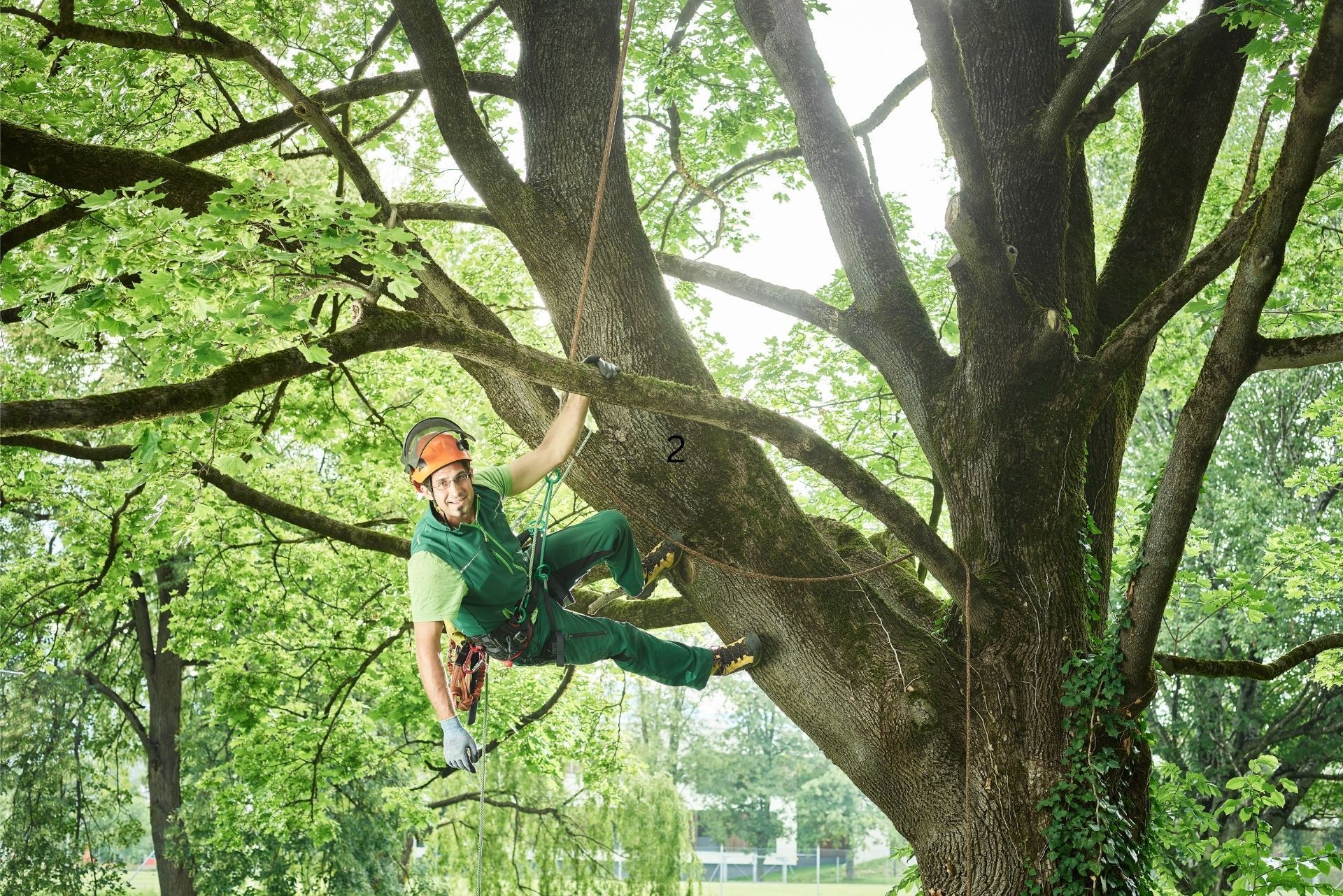
Core Insurance Policies Every Tree Service Needs
Despite the market pressure, tree services can still build a solid insurance program. The key is knowing which policies are truly essential, how they interact, and what underwriters look for when they price each one. A clear structure also helps avoid coverage gaps that only become obvious when something goes wrong.
General Liability Insurance
General liability acts as the foundation for a tree care risk plan. It responds when operations cause bodily injury or property damage to other people. That might be a limb dropping through a neighbor’s roof, a chipper throwing debris into a window, or a customer tripping over brush piled in a driveway.
Insurers usually pay close attention to the mix of residential, commercial, and municipal work in a tree business. Work over structures, around high value homes, or near utilities tends to be priced higher. Underwriters also look for written estimates, job site photos, and clear language in proposals about what the crew is and is not responsible for, including underground utilities and pre existing damage.
Workers Compensation Insurance
For arborists, workers compensation is often the single largest insurance line item. Tree work combines heights, heavy equipment, chainsaws, and difficult terrain. Even with strong training, injuries are an expected part of the exposure.
The recent state fund rate spike for tree trimming work highlights how sensitive this coverage is to loss trends and statewide regulation. Businesses that rely entirely on the state fund may feel these shifts immediately, while those that qualify for private carriers sometimes have a bit more flexibility. Either way, clean safety practices and accurate payroll classification are essential if a company wants to keep options open.
Commercial Auto Insurance
Tree services move crews and equipment daily, often with loaded trailers, aerial lifts, and heavy chip trucks. A collision involving this type of vehicle can be severe, especially on narrow residential streets or in congested urban neighborhoods.
Underwriters typically examine driver records, the age and condition of vehicles, and how trucks are stored after hours. They also pay attention to whether employees take vehicles home, how often trailers are towed, and whether any personal use is allowed. Simple steps like formal driver screening, written vehicle use policies, and documented training can make a noticeable difference when accounts are reviewed.
Equipment And Tools Coverage
Chippers, stump grinders, aerial lifts, bucket trucks, and saws are the backbone of a tree crew. If they are stolen or damaged, jobs stop immediately. Inland marine or contractor’s equipment coverage protects mobile gear both on and off premises.
Insurers usually want a detailed equipment schedule for higher value items and some record of serial numbers and storage arrangements. Good locking practices, indoor storage where possible, and tracking for trailers or larger units not only prevent losses but signal that the business manages its assets carefully.
Professional Or Errors And Omissions Coverage
Many certified arborists provide more than physical work. They offer hazard assessments, tree health evaluations, and recommendations about removals versus pruning. When a client relies on that advice and something later fails, the dispute may look more like a professional negligence claim than simple property damage.
Professional liability, sometimes packaged as errors and omissions for arborists, can step in where general liability is silent. It is especially important for consultants, municipal arborists, and firms that regularly write reports for property managers, attorneys, or homeowner associations.
Commercial Property And Business Interruption
If a tree service has a yard, shop, or office, commercial property coverage protects buildings, contents, and sometimes outdoor storage. It can also include business income protection when a covered loss, like a fire in the shop, shuts down operations for a period.
Some smaller tree companies operate from home based offices or shared yards. In those cases, it is critical to confirm whether equipment, tools, and records are properly insured under commercial policies, because personal homeowners coverage often excludes business property and liability arising from commercial activities.
Workers Compensation For Arborists In A High Risk State
Few topics create more stress for tree service owners in California than workers compensation. Premiums are significant, and the classification for tree trimming work is closely watched by carriers and state regulators. Misclassifying payroll or treating employees as independent contractors when they do not meet legal tests can create serious back premiums and penalties.
Underwriters focus on more than just the number of climbers on staff. They want to know how often work is performed near energized lines, what types of fall protection are used, whether aerial lifts are regularly inspected, and how much ground work is done compared to climbing. They also look at subcontractor relationships and whether certificates of insurance are consistently collected and verified.
Given the increase reported in state fund pricing, some tree services have begun exploring options like formal safety committees, return to work programs, and more rigorous pre hire screening. These measures are not just best practices for injury prevention. They are also levers that can help position an account for more favorable treatment with carriers that still write tree care risks.
Documentation matters as much as intent. Written safety manuals, logs of tailgate talks, incident investigations, and equipment inspection records all help demonstrate to underwriters that risk control is built into the business. That makes it easier to negotiate during renewals and respond if a carrier questions the classification or contemplates non renewal after a severe claim.
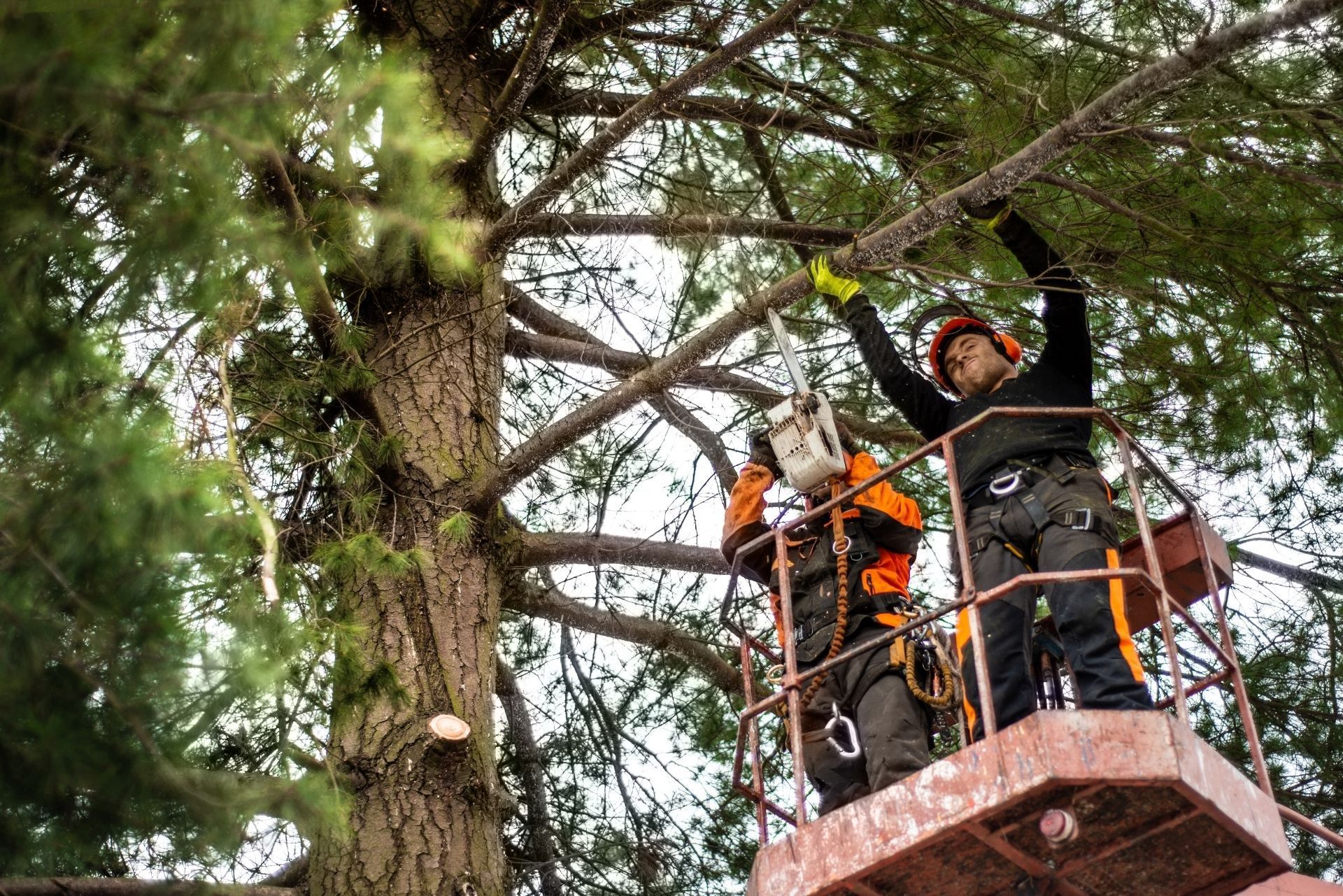
Wildfire Risk, Mitigation, And Your Insurance Options
Wildfire exposure touches tree work in several ways. Some companies actively perform defensible space projects, fuels reduction, or utility vegetation management in high fire risk areas. Others work primarily in suburbs or cities but still rely on property insurance and general liability in a market shaped by wildfire losses.
Insurers and regulators have been wrestling with how to factor mitigation into pricing. One study referenced in coverage of the state’s insurance debate found that structural modifications to a property can reduce wildfire risk by about 40 percent, and combining those with vegetation modifications can cut risk by roughly 75 percent. Those are big reductions, and they highlight why professional tree work around defensible space, ladder fuels, and canopy separation is so critical.
At the same time, some experts have warned that trying to hard code mitigation credits into underwriting can backfire if carriers are already struggling with rate adequacy and regulatory approval. Insurers have to balance recognition of risk reduction with the reality of catastrophic events that can wipe out years of premium in a single season.
For arborists, this tension shows up in questions about exactly how vegetation work is documented, what standards crews follow, and whether recommendations align with accepted mitigation guidelines. Companies that specialize in wildfire risk reduction can strengthen their position by using consistent assessment forms, keeping before and after photos, and training crews on local code requirements or utility specifications.
Even firms that do not advertise wildfire work should expect more questions about where jobs are located, how often work is done in wildland urban interface zones, and whether crews are exposed to active fire operations or only perform planned mitigation work. Clear descriptions in applications, along with well worded websites and proposals, help avoid misunderstandings that could derail a quote.
How Insurers Evaluate Safety, Contracts, And Operations
Underwriters rarely base their decisions on loss history alone. Two tree services with identical claims records can receive very different pricing if one presents itself as organized, safety focused, and selective about work, while the other appears chaotic or unstructured.
Safety is always near the top of the list. Carriers look for documented training on chainsaw use, climbing techniques, aerial lift operation, chipper safety, and traffic control. Formal job hazard analyses, pre job briefings, and crew leader checklists all signal that risk is being actively managed. Insurers also pay attention to how new hires are evaluated and how long they work under direct supervision before taking on more hazardous tasks.
Contracts and paperwork matter just as much. Well written estimates and service agreements define scope, transfer certain risks through indemnification clauses, and address issues like utility locates, stump grinding, cleanup standards, and access damage. Certificates of insurance from subcontractors help prevent the prime contractor’s policy from becoming the default coverage for every incident on a job.
Operational details also influence underwriting comfort. Carriers want to know how work is scheduled, whether jobs are ever rushed to satisfy unrealistic timelines, and how weather or site conditions are addressed when they create extra hazard. Information about drug and alcohol policies, disciplinary procedures, and incident response adds to the overall picture.
Coverage Comparison: Building A Balanced Insurance Program
Tree services often feel like they are buying a stack of separate policies that never quite fit together. Looking at the key coverages side by side makes it easier to see what each one does, where overlaps exist, and where gaps might appear if a policy is omitted.
| Coverage Type | What It Protects | Typical Triggers | Why It Matters For Tree Services |
|---|---|---|---|
| General Liability | Third party bodily injury and property damage | Falling limbs, debris damage, customer slip or trip, overspray | Many clients require this before hiring a tree company, and it protects against the most common lawsuit scenarios. |
| Workers Compensation | Employee injuries and work related illnesses | Falls from trees, chainsaw cuts, equipment incidents, repetitive strain | Legally required for employees and essential for protecting climbers, grounds crew, and shop staff. |
| Commercial Auto | Company vehicles and liability from their use | Collisions, backing accidents, damage while towing equipment | Tree service vehicles are large and heavy, so auto claims can be significant without proper coverage. |
| Contractor’s Equipment | Mobile gear like chippers, stump grinders, saws, and lifts | Theft from job sites, fire in the yard, accidental damage during transport | Without this, replacing stolen or damaged equipment becomes an out of pocket cost that can halt operations. |
| Professional Liability | Claims that advice or assessments were negligent | Tree failure after a risk evaluation, disputes over removal recommendations | Important for certified arborists who consult, write reports, or advise municipalities and property managers. |
| Commercial Property | Buildings, contents, and sometimes yard improvements | Fire, vandalism, certain storms, or water damage from covered causes | Protects offices, shops, and storage yards where tools, records, and vehicles are kept. |
Reviewing this type of comparison with an insurance advisor helps prioritize spending. Some newer or smaller operations might delay a property policy if they do not yet have a dedicated yard, but they generally cannot operate at all without general liability, workers compensation, and auto coverage in place.
Practical Risk Management Steps That Help With Insurance
Insurers respond best to specifics. Telling an underwriter that a business is careful carries less weight than showing how that care looks in practice. The good news is that many of the same actions that keep crews safe also strengthen an insurance application.
Start with written safety procedures. They do not need to be lengthy manuals full of legal language, but they should cover how to approach tree assessments, tie in points, rigging, equipment checks, and emergency response. Crew members should sign off that they received and understood these procedures, and updates should be documented.
Regular training keeps skills current and reduces complacency. Tailgate meetings before jobs, refreshers on aerial rescue techniques, practice with new equipment, and honest discussions after near misses all contribute to a culture where safety becomes normal. When underwriters see logs of these efforts, they gain confidence that the operation will not drift into bad habits between renewals.
Job documentation also plays a quiet but powerful role. Photos of site conditions, notes on customer expectations, and records of changes to scope during the work can resolve disputes before they escalate into claims. In the event of a loss, this documentation often helps adjusters understand what happened and reach resolution faster.
Finally, think about hiring and supervision. Tree work attracts people with a wide range of backgrounds and experience levels. Structured onboarding, clear expectations, and mentorship by seasoned crew leaders reduce the likelihood that a new employee makes a serious mistake while still learning the ropes.
FAQs: California Tree Service And Arborist Insurance
These common questions come up often when tree services start reviewing or restructuring their insurance programs in California.
Is workers compensation required for a small tree service with only a few employees?
In most cases, yes. California law generally requires employers to carry workers compensation for employees, and tree work is considered high risk, so carriers and regulators pay close attention to compliance. Treating workers as independent contractors without meeting legal tests can create serious penalties and back premiums.
Can a tree service rely on a homeowner’s insurance policy for damage during a job?
Relying on a customer’s homeowners policy is risky. Those policies are designed to protect the homeowner, not the contractor, and they may even exclude damage caused by business activities. A proper general liability policy in the tree company’s name is the safer route.
Why are some insurers refusing to write tree service coverage in California?
Several factors drive reduced appetite, including wildfire losses, overall property insurance unprofitability, and concern about severe injury claims in tree work. When carriers feel they cannot charge a rate that covers expected losses and expenses, they may limit or exit certain sectors, including high hazard contractors.
Does providing wildfire defensible space work help or hurt my insurance options?
It can help if the work is done to recognized standards and documented carefully, because it aligns with broader mitigation efforts. That said, some carriers view any work near wildland urban interface zones as more hazardous, so expect detailed underwriting questions about project types and locations.
How often should a tree service review its insurance program?
Annual reviews are a practical minimum, but major business changes such as adding a crane, expanding into consulting, or hiring significantly more employees should trigger earlier conversations. Keeping an advisor informed helps avoid gaps and surprises at renewal.
What can a new tree company do to look better to underwriters?
Strong safety documentation, clear contracts, clean driving records, and realistic descriptions of initial work types all help. Even without a long claims history, a new firm can present itself as disciplined and prepared, which makes carriers more comfortable offering terms.
Bringing It All Together For A Safer, Insurable Tree Business
California’s insurance landscape for tree services and arborists is not likely to become simple overnight. Wildfire exposure, past underwriting losses, and regulatory debates about how to price risk all influence what carriers are willing to offer and at what cost. At the same time, regulators have signaled that they want a more sustainable market, including by opening the door to new tools that help insurers model catastrophe exposure more accurately.
For example, state regulators announced that in mid 2025 the Department of Insurance completed its review of a forward looking wildfire catastrophe model to help insurers close coverage gaps for homes and businesses. As these types of models roll into practice, carriers may gain more confidence in their ability to price high risk regions, which could eventually ease some pressure on commercial accounts, including contractors who work with trees.
Tree service and arborist businesses cannot control all of those big picture forces, but they can control how they present themselves to the insurance market. Clear safety programs, solid contracts, thorough documentation, and honest communication about work types and locations form the backbone of a strong risk profile. Combined with the right mix of coverage lines, those steps give a tree company the best chance to secure stable, long term insurance partnerships.
Staying proactive matters. Regularly review policies with an experienced advisor, track how operations evolve, and keep an eye on regulatory and market developments that touch tree work and wildfire risk. The businesses that do this consistently are the ones most likely to weather both literal and insurance storms without losing the protection they need to keep crews working and clients’ properties safe.
About The Author:
Michael Fusco
As CEO and Principal of Fusco Orsini & Associates, I’m dedicated to helping businesses and individuals achieve peace of mind through smarter insurance solutions. With extensive experience in commercial insurance and risk management, I focus on building long-term relationships and providing clarity, trust, and value in every policy we deliver.
// Coverage for Your Company
Protect Your Business, Employees, and Assets
We help business owners protect their companies from risks that can disrupt operations or threaten growth. Our team explains your options clearly and guides you to the right coverage for your business.
// Who We Help
Focused Insurance for Your Industry
We understand the unique risks and needs of different industries. Our team provides clear guidance and customized coverage to help you operate with confidence.


// Coverage for Individuals and Families
Protect What Matters Most at Home and Beyond
Renters Insurance
Affordable protection for your personal property in a rented space.
Life Insurance
Ensure your loved ones are financially secure when they need it most.
Umbrella Insurance
Extra liability coverage to protect you beyond standard policies.

// Frequently Asked Questions
Clear Answers to Common Questions

5.0 Reviews on Google
What You Need to Know Before Getting Started
People often ask us about the most common questions around business consulting, insurance, and employee benefits.
What types of insurance does my business need?
We evaluate your operations, identify risks, and explain the policies that make sense for your business. Our goal is to help you understand what you’re buying and ensure nothing important is overlooked.
The right coverage depends on your industry, size, and exposures. We’ll walk you through each option and help you make a confident decision.
Do you provide employee benefits?
Yes. Our dedicated benefits team offers group health, dental, vision, life, and disability plans. We also help employees with claims and explain how to use their benefits effectively.
We design plans that meet your company’s goals while keeping costs manageable and ensuring employees feel supported.
Do you only serve clients in California?
No. While we are based in San Diego, California, we work with clients in 31 states across the country.
We have the licenses and experience to support businesses of all sizes wherever they operate.
Can you review my existing policies?
Absolutely. We offer policy reviews at no cost to you. We’ll look for gaps in coverage, overlapping policies, and opportunities to save money.
Our team makes transitioning from your current provider simple and seamless.
How quickly can I get a quote?
In most cases, we respond the same business day with clear options and next steps.
We know that time matters, and we work efficiently to provide you with answers and coverage without unnecessary delays.
// What Our Clients Say
Reviews from Business Owners Like You
Over 500 Five-Star Ratings Across Platforms
// Business Tips & Resources
Helpful Articles for Business Owners
Our blog offers clear advice to help you protect your business, support your employees, and plan for the future with confidence.
Contact Us
Phone
Location