


Commercial Auto Insurance for Hydrovac and Vacuum Excavation Fleets

or call us: (858) 384‑1506
A single hydrovac truck can cost anywhere from $250,000 to over $600,000, and most fleet owners run several of them. When one of those units is involved in a highway accident, strikes an unmarked utility line, or spills contaminated slurry on a job site, the financial exposure can be staggering. Underground utility damage alone costs the U.S. economy $83.2 billion annually, with direct repair costs representing only 5.9% of the total economic impact. The rest comes from service disruptions, injuries, environmental cleanup, and litigation.
If you own or manage a hydrovac or
vacuum excavation fleet, your
commercial auto insurance isn't just a checkbox requirement. It's the financial backbone that determines whether a bad day on the job site becomes a recoverable event or a business-ending catastrophe. This guide breaks down the specific coverage structures, auto symbols, claims patterns, and limit strategies that matter for your specialized equipment, whether you own every unit outright or lease half your fleet from a dealer.
Understanding Hydrovac Fleet Risk and Coverage Basics
Vacuum excavation trucks operate in a risk environment that looks nothing like standard commercial trucking. Your vehicles are heavier, more expensive, and routinely work in close proximity to buried infrastructure that can trigger six- or seven-figure damage claims if something goes wrong. Understanding these risks is the first step toward building a policy that actually protects your operation.
The Unique Hazard Profile of Vacuum Trucks
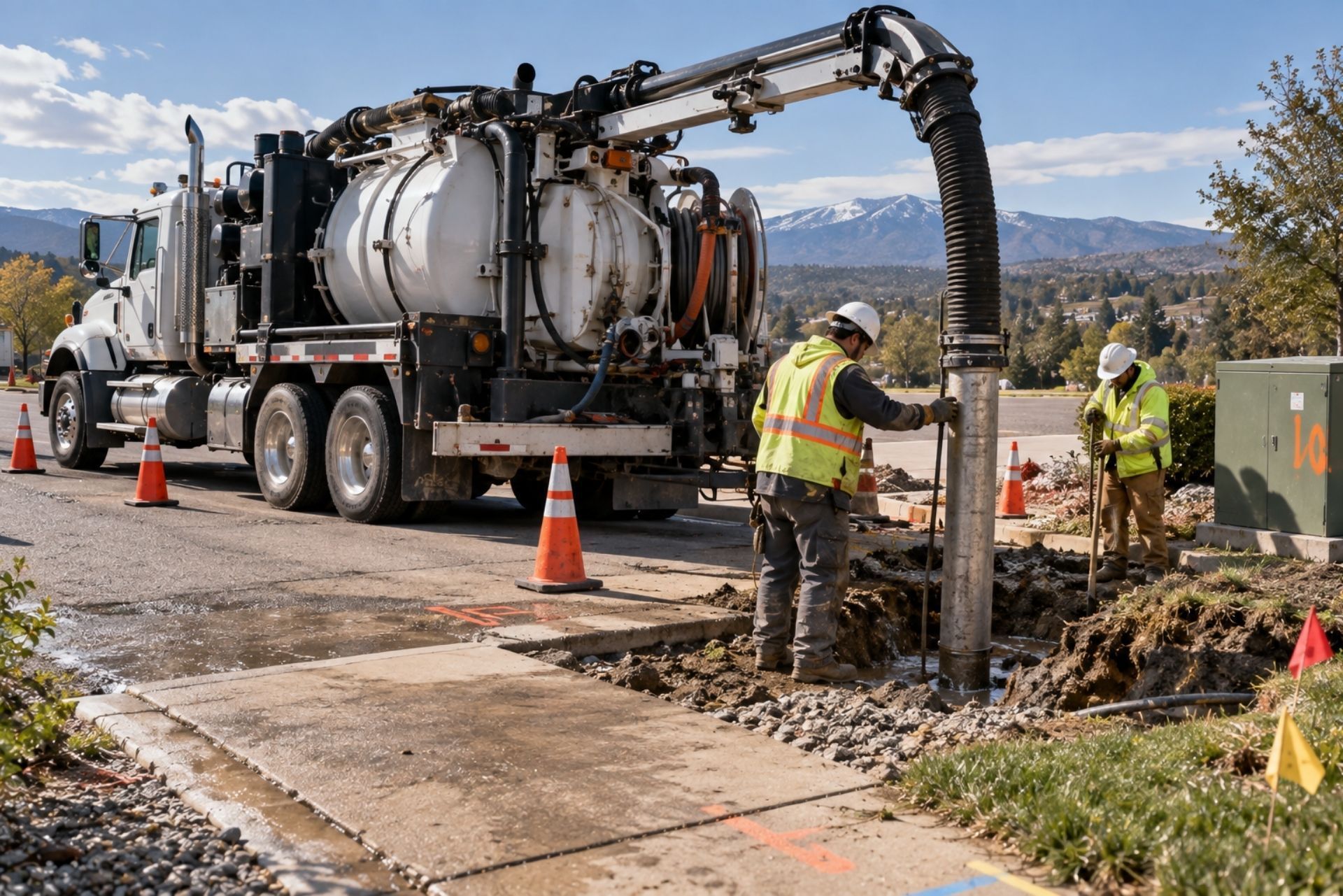
Hydrovac trucks combine high-pressure water systems, powerful vacuum units, and large debris tanks on a single chassis that often exceeds 60,000 pounds loaded. That weight alone creates elevated liability on public roads, but the real exposure happens on the job site. Operators work near gas lines, fiber optic cables, and water mains daily. A single utility strike can cascade into service outages affecting thousands of customers, environmental contamination from ruptured sewer lines, or even explosions from damaged gas infrastructure.
Standard commercial auto policies written for box trucks or delivery vans don't account for these exposures. Your underwriter needs to understand that your trucks are both vehicles and heavy equipment, and the policy language must reflect that dual nature.
Owned vs. Leased Units: Liability and Physical Damage
Fleet owners who mix owned and leased hydrovac units face a coverage gap that catches many off guard. Your owned trucks are typically scheduled on your policy with specific VINs, but leased units introduce a third party: the lessor. Most lease agreements require you to carry specific minimum coverage limits and name the leasing company as an additional insured and loss payee.
If your policy doesn't properly reflect these obligations, you could breach your lease agreement and face personal liability for damage to a truck you don't even own. At Fusco Orsini & Associates, we regularly audit fleet policies where leased units were either missing from the schedule entirely or listed under the wrong covered auto symbol, creating dangerous gaps.

Decoding Covered Auto Symbols for Specialized Fleets
Covered auto symbols are the numerical codes on your commercial auto policy that define which vehicles are covered and under what circumstances. Getting these wrong is one of the most common and costly mistakes in fleet insurance.
Symbol 1 vs. Symbol 7: Broad vs. Specified Coverage
Symbol 1 provides the broadest protection: it covers any auto, including owned, leased, hired, and borrowed vehicles. For growing hydrovac fleets that frequently add or swap units, Symbol 1 eliminates the risk of a new truck being uninsured during the gap between purchase and policy endorsement. The tradeoff is cost, since you're paying for maximum flexibility.
Symbol 7 covers only specifically described autos listed on your policy. Every truck must be individually scheduled by VIN. If you buy a new hydrovac on Tuesday and it's in an accident on Wednesday before you've notified your insurer, you may have no coverage. For stable fleets with predictable equipment rosters, Symbol 7 can save premium dollars, but it demands disciplined policy management.
Hired and Non-Owned Auto Symbols
Symbols 8 and 9 fill critical gaps that hydrovac operators often overlook. Symbol 8 covers hired autos, meaning vehicles you rent, lease, or borrow for business use. If you rent a vacuum truck for a short-term project, this symbol provides liability protection for that unit.
Symbol 9 covers non-owned autos: vehicles owned by your employees that they use for company business. Think of a crew foreman driving their personal pickup to a job site. If they cause an accident while on company time, your business could be held liable. These symbols won't break the bank, but skipping them can leave you exposed to claims you didn't see coming.
Determining Appropriate Coverage Limits and Deductibles
Choosing the right limits isn't guesswork. It's a calculation based on your fleet size, the contracts you bid on, and the catastrophic exposure your trucks create on every job.
Comparison Table: Standard vs. High-Risk Fleet Limits
| Coverage Type | Standard Fleet (3-5 units) | High-Risk Fleet (10+ units) |
|---|---|---|
| Combined Single Limit (CSL) | $1,000,000 | $2,000,000 - $5,000,000 |
| Physical Damage Deductible | $2,500 - $5,000 | $5,000 - $10,000 |
| Uninsured Motorist | $1,000,000 | $1,000,000 - $2,000,000 |
| Medical Payments | $5,000 | $10,000 |
| Hired/Non-Owned Liability | $1,000,000 | $1,000,000 - $2,000,000 |
| Pollution Liability | Often excluded | $1,000,000+ (separate policy) |
Many municipal and utility company contracts require $5 million or more in auto liability limits before you can even bid. If your base policy carries $1 million CSL, you'll need excess coverage to meet those thresholds.
The Role of Excess Liability and Umbrella Policies
Nuclear verdicts in trucking cases have reshaped how insurers price commercial auto risk, with jury awards regularly exceeding $10 million. A $1 million CSL policy won't survive a catastrophic accident involving a 60,000-pound hydrovac truck. Excess liability and umbrella policies sit above your primary auto coverage and activate once the underlying limits are exhausted.
The distinction matters: excess policies follow the same terms as your primary coverage, while umbrella policies may broaden coverage in addition to increasing limits. For hydrovac fleets, we typically recommend an umbrella that includes contractual liability coverage, since your service agreements almost always contain indemnification clauses that shift risk onto your company.
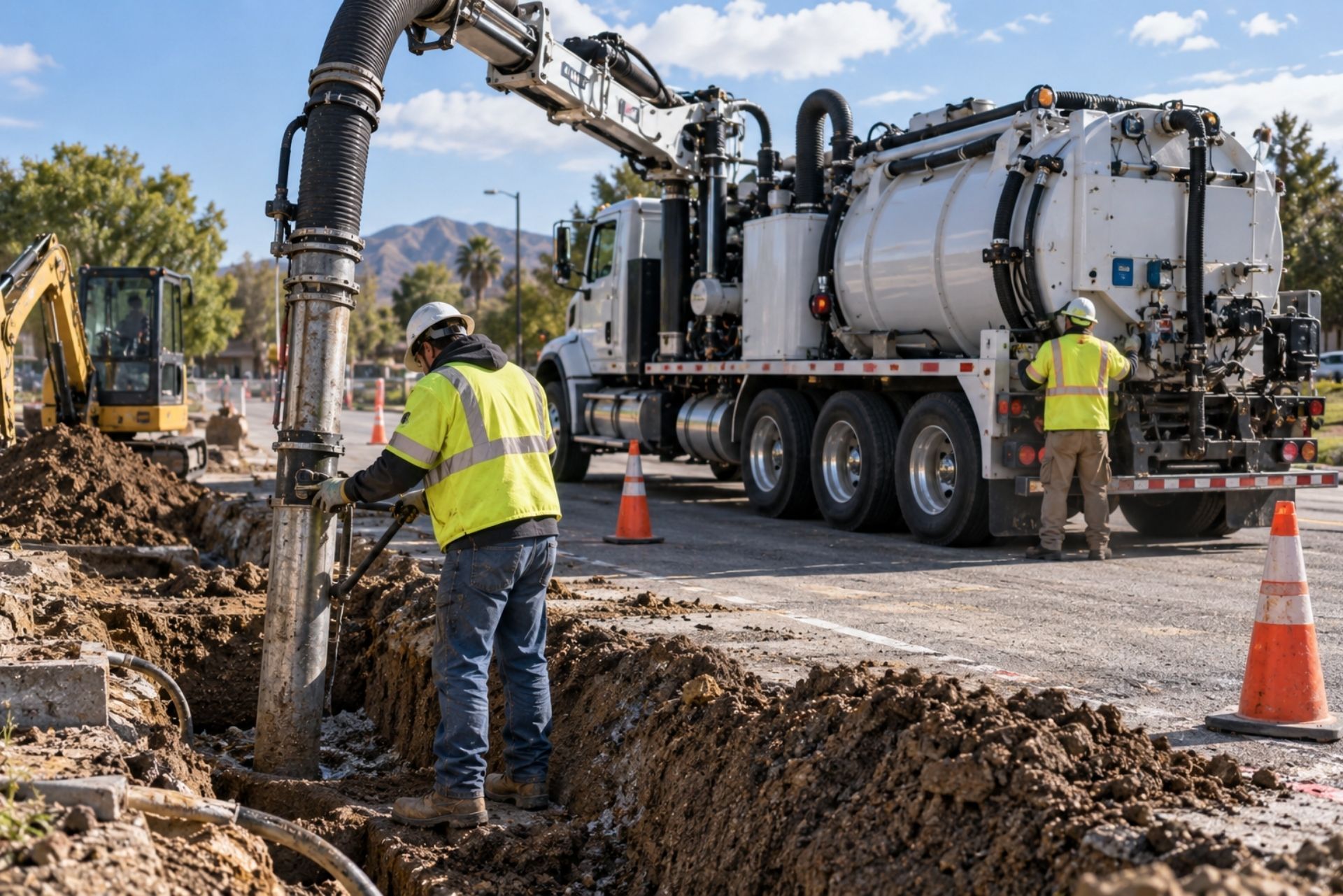
Filing a claim on a vacuum truck is rarely straightforward. The equipment is specialized, the damage scenarios are unique, and adjusters unfamiliar with the industry can undervalue or misclassify your loss.
Common Claims: Overweight Fines, Spills, and Utility Strikes
The most frequent claims we see at Fusco Orsini & Associates fall into three categories. Overweight violations happen when operators miscalculate debris tank loads and get cited at weigh stations or on posted roads. These fines can reach $10,000 or more in states like California and Texas, and they're typically not covered by your auto policy.
Spill incidents occur when slurry or contaminated water escapes during transport. Even a small release on a public road can trigger environmental response costs that dwarf the cleanup itself. Utility strikes remain the highest-severity claim type, with total economic damages extending far beyond the repair bill to include business interruption for affected customers, emergency response, and regulatory penalties.
Documentation Requirements for Vacuum Excavation Accidents
Strong documentation is the difference between a paid claim and a denied one. Every incident should be recorded with timestamped photos of the scene, the truck's position, and any damage to underground infrastructure. Operators need to preserve dig tickets, locate markings, and any communications with 811 or the utility owner.
Your driver should complete a written statement within 24 hours while details are fresh. If a spill occurred, document the material type, estimated volume, and containment measures taken. Adjusters and defense attorneys will scrutinize whether your crew followed proper excavation protocols, so your safety records and training certifications become part of the claim file.
Common Questions About Hydrovac Insurance
Does my auto policy cover damage to underground utilities?
Typically, no. Most commercial auto policies exclude damage to property in your care, custody, or control, which includes the utilities you're excavating around. You'll need a separate contractor's pollution liability or professional liability policy to cover utility strikes and related third-party damages.
What happens if I rent a vacuum truck for a short-term job?
If your policy includes Symbol 8 (hired auto coverage), the rented truck will have liability protection under your policy. Physical damage coverage for the rented unit usually requires a separate endorsement or a rental agreement that includes damage waivers. Check your policy before signing the rental contract.
Why is my hydrovac premium higher than a standard dump truck?
Three factors drive the difference: vehicle value (hydrovacs cost 3-5x more than dump trucks), operational risk (proximity to underground utilities), and loss severity (utility strike claims routinely exceed $500,000). Insurers price these risks accordingly, and carriers unfamiliar with vacuum excavation often charge even more due to uncertainty.
Do I need pollution coverage for my vacuum fleet?
Yes. Hydrovac trucks regularly transport contaminated soil, drilling mud, and industrial wastewater. A spill during transport can trigger cleanup obligations under state and federal environmental laws. Your commercial auto policy almost certainly contains a pollution exclusion, so a standalone pollution liability policy is essential.
How do I add new specialized units to my existing policy?
Contact your agent or broker immediately upon acquiring a new unit. If your policy uses Symbol 7 (specified autos), the new truck has no coverage until it's endorsed onto the policy. Most insurers offer a 30-day grace period for newly acquired vehicles, but this varies by carrier. Don't assume you're covered: confirm it in writing.
The Bottom Line for Fleet Owners
Your hydrovac fleet represents one of your largest capital investments and your greatest liability exposure. The right commercial auto insurance program for vacuum excavation operations isn't a one-size-fits-all product. It's a carefully structured combination of primary auto coverage, correct covered auto symbols, adequate limits, and supplemental policies for pollution and excess liability.
Don't wait for a claim to discover your policy has gaps. Review your covered auto symbols annually, verify that every owned and leased unit is properly scheduled, and make sure your limits meet both your contractual obligations and your real-world exposure. If you're unsure whether your current program is built for the risks your fleet actually faces, the team at Fusco Orsini & Associates can walk through your policies and identify where you're vulnerable. A single coverage gap on a $400,000 truck can cost you far more than the premium you saved by cutting corners.
About The Author:
Michael Fusco
As CEO and Principal of Fusco Orsini & Associates, I’m dedicated to helping businesses and individuals achieve peace of mind through smarter insurance solutions. With extensive experience in commercial insurance and risk management, I focus on building long-term relationships and providing clarity, trust, and value in every policy we deliver.
// Coverage for Your Company
Protect Your Business, Employees, and Assets
We help business owners protect their companies from risks that can disrupt operations or threaten growth. Our team explains your options clearly and guides you to the right coverage for your business.
// Who We Help
Focused Insurance for Your Industry
We understand the unique risks and needs of different industries. Our team provides clear guidance and customized coverage to help you operate with confidence.


// Coverage for Individuals and Families
Protect What Matters Most at Home and Beyond
Renters Insurance
Affordable protection for your personal property in a rented space.
Life Insurance
Ensure your loved ones are financially secure when they need it most.
Umbrella Insurance
Extra liability coverage to protect you beyond standard policies.

// Frequently Asked Questions
Clear Answers to Common Questions

5.0 Reviews on Google
What You Need to Know Before Getting Started
People often ask us about the most common questions around business consulting, insurance, and employee benefits.
What types of insurance does my business need?
We evaluate your operations, identify risks, and explain the policies that make sense for your business. Our goal is to help you understand what you’re buying and ensure nothing important is overlooked.
The right coverage depends on your industry, size, and exposures. We’ll walk you through each option and help you make a confident decision.
Do you provide employee benefits?
Yes. Our dedicated benefits team offers group health, dental, vision, life, and disability plans. We also help employees with claims and explain how to use their benefits effectively.
We design plans that meet your company’s goals while keeping costs manageable and ensuring employees feel supported.
Do you only serve clients in California?
No. While we are based in San Diego, California, we work with clients in 31 states across the country.
We have the licenses and experience to support businesses of all sizes wherever they operate.
Can you review my existing policies?
Absolutely. We offer policy reviews at no cost to you. We’ll look for gaps in coverage, overlapping policies, and opportunities to save money.
Our team makes transitioning from your current provider simple and seamless.
How quickly can I get a quote?
In most cases, we respond the same business day with clear options and next steps.
We know that time matters, and we work efficiently to provide you with answers and coverage without unnecessary delays.
// What Our Clients Say
Reviews from Business Owners Like You
Over 500 Five-Star Ratings Across Platforms
// Business Tips & Resources
Helpful Articles for Business Owners
Our blog offers clear advice to help you protect your business, support your employees, and plan for the future with confidence.


Contact Us
Phone
Location