



Pollution Liability Insurance for Hydrovac and Vacuum Excavation Contractors

or call us: (858) 384‑1506
A single hydrovac truck can move thousands of gallons of pressurized water and vacuum up tons of soil in a single shift. That kind of power creates real environmental exposure, and a standard general liability policy won't cover most of it. If you're running a vacuum excavation crew, the gap between what you think is covered and what actually is could cost you six figures or more on a single claim.
Pollution liability insurance for hydrovac and vacuum excavation contractors is one of the most misunderstood and underutilized policies in the industry. Many operators assume their GL policy handles spills, contaminated soil encounters, and disposal mishaps. It doesn't. The total pollution exclusion baked into nearly every commercial general liability form strips away coverage the moment contaminants are involved. That leaves your business exposed to cleanup costs, third-party bodily injury claims, regulatory fines, and legal defense fees that can stack up fast.
This guide breaks down the specific pollution risks hydrovac operators face, explains why your GL policy falls short, walks through the components of a proper contractors pollution liability (CPL) policy, and helps you figure out the right limits for your operation. Whether you run two trucks or twenty, understanding this coverage isn't optional: it's a business survival issue.
Understanding Pollution Risks in Hydrovac Operations
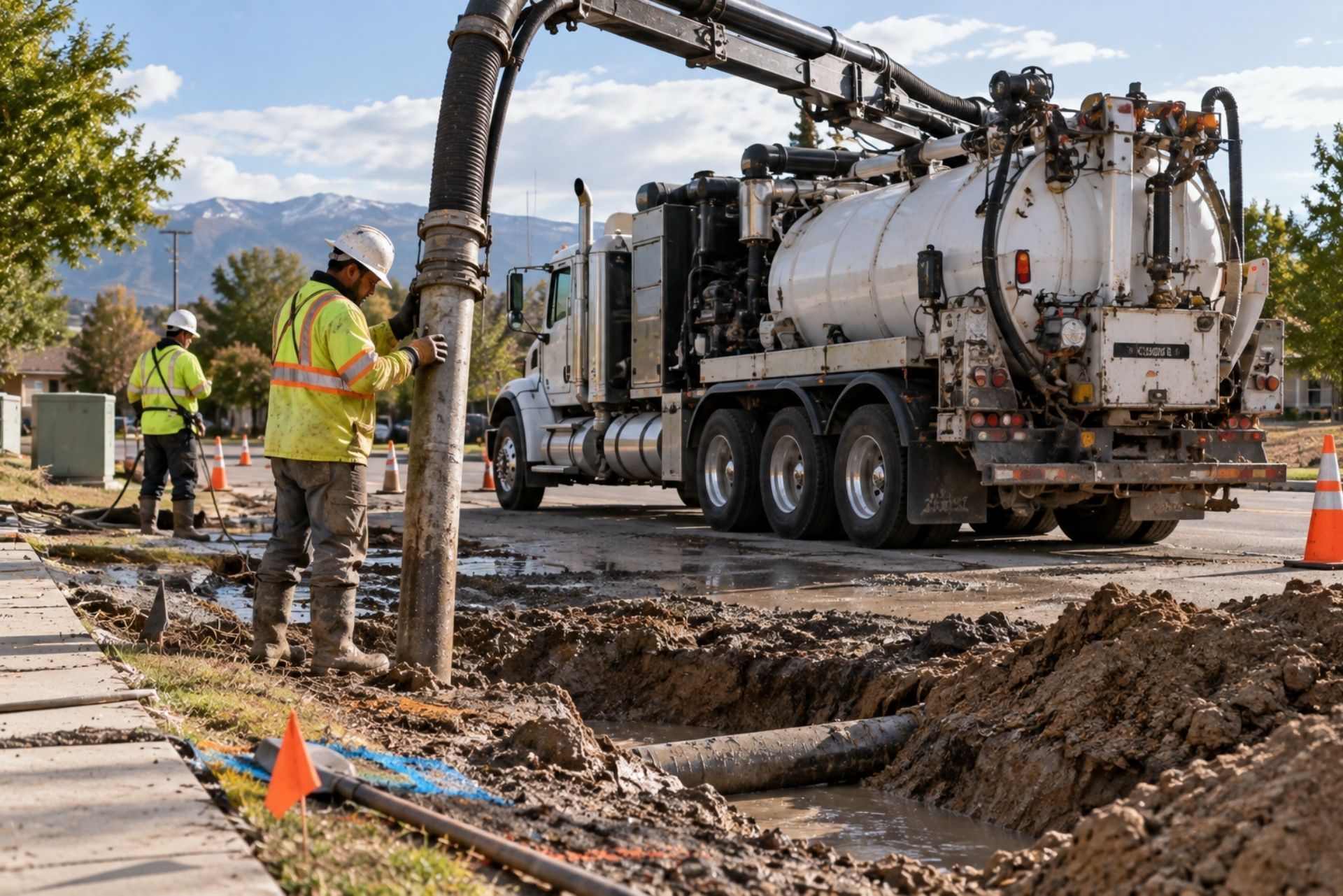
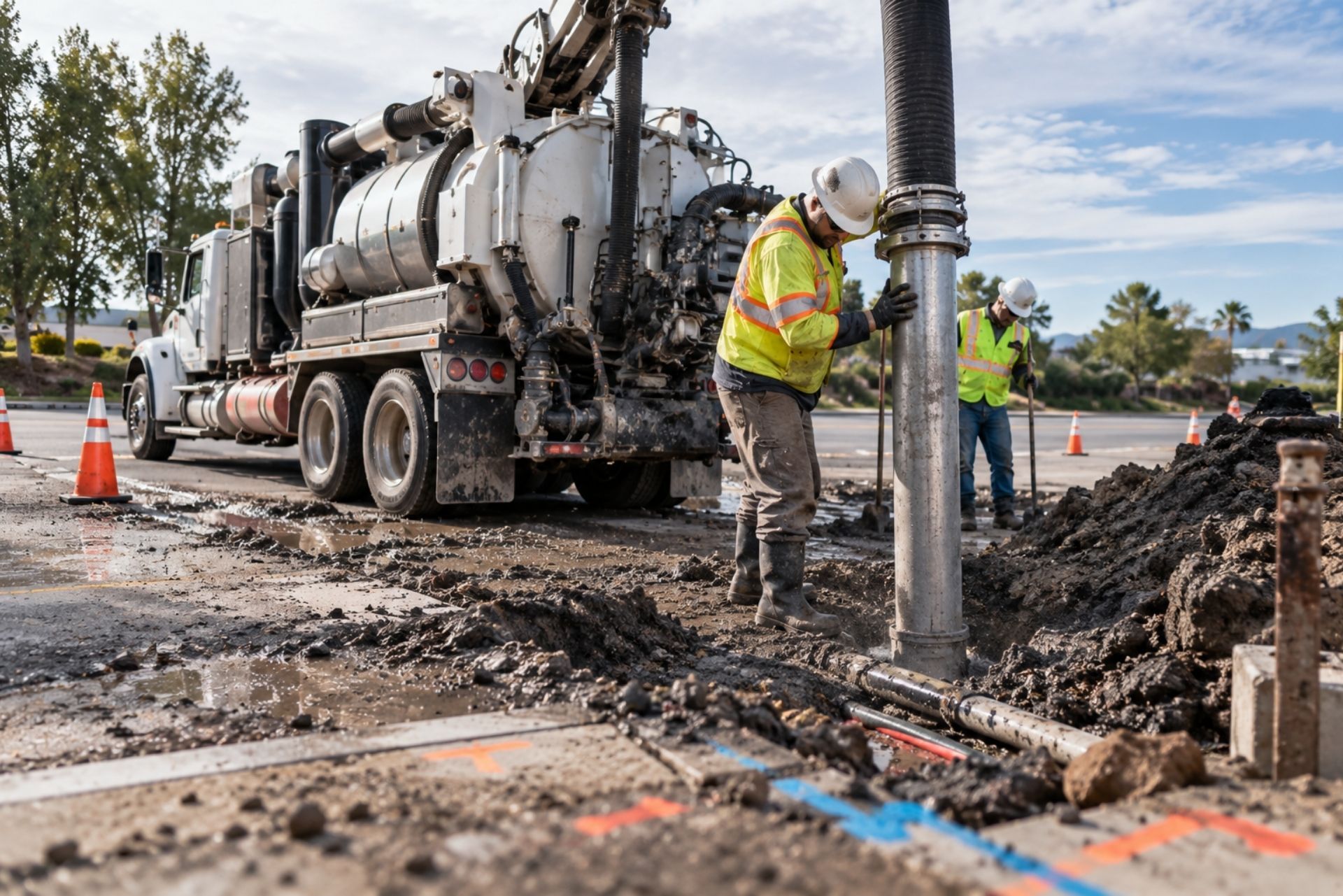
Hydrovac work sits at the intersection of water, soil, and underground infrastructure. Every job site carries some level of environmental risk, even routine ones. The nature of the work means you're constantly disturbing ground conditions you can't fully predict.
The Danger of Unidentified Contaminated Soil
You drill down with pressurized water, vacuum up the slurry, and load it into your tank. Simple enough, until that soil turns out to be laced with petroleum, heavy metals, or industrial chemicals from decades-old contamination. Former gas stations, industrial sites, and even agricultural land can harbor pollutants you won't detect until they're already in your tank or spread across a job site. At that point, you're holding contaminated material, and the liability follows whoever disturbed it.
Hazards of Slurry Disposal and Water Runoff
Disposal is where many claims originate. If contaminated slurry enters a storm drain, seeps into groundwater, or gets dumped at a facility not rated for that waste class, you're facing environmental violations and potential cleanup orders. Water runoff from your operations can carry sediment and pollutants off-site, affecting neighboring properties. The contractors pollution liability insurance market has been growing steadily precisely because these disposal-related claims are becoming more frequent and more expensive.
Hydraulic Leaks and On-Site Fuel Spills
Your equipment runs on
hydraulic systems and diesel. A blown hydraulic line can dump fluid across a client's property in minutes. Fuel tank ruptures during transit or on-site operations create immediate contamination events. Even
routine equipment repair and maintenance costs for
heavy construction machinery can run into the thousands, but the environmental cleanup from a hydraulic failure can dwarf those repair bills by a factor of ten or more.

Why General Liability Insurance Isn't Enough
Most hydrovac contractors carry commercial general liability insurance and assume they're covered for spills and contamination. That assumption is dangerously wrong.
The Total Pollution Exclusion Clause Explained
Since the mid-1980s, standard CGL policies have included an absolute or total pollution exclusion. This clause removes coverage for bodily injury, property damage, or cleanup costs arising from the discharge, dispersal, release, or escape of pollutants. The definition of "pollutant" in these policies is broad: it includes smoke, vapors, soot, fumes, acids, alkalis, chemicals, waste materials, and other irritants or contaminants. Diesel fuel, hydraulic fluid, and contaminated soil all fall squarely within that definition. A detailed breakdown of this hidden coverage gap shows how many contractors don't realize the exclusion exists until a claim is denied.
Comparison: General Liability vs. Pollution Liability
Here's a side-by-side look at what each policy type actually covers for hydrovac operations:
| Scenario | General Liability (CGL) | Pollution Liability (CPL) |
|---|---|---|
| Third-party property damage from equipment | Covered | Not primary coverage |
| Fuel spill from your truck on a client's site | Excluded | Covered |
| Contaminated soil discovered during excavation | Excluded | Covered |
| Slurry disposal at wrong facility | Excluded | Covered |
| Hydraulic fluid leak into waterway | Excluded | Covered |
| Bodily injury from pollutant exposure | Excluded | Covered |
| Legal defense for pollution claims | Excluded | Covered |
| Regulatory cleanup orders | Excluded | Covered |
The pattern is clear. Every pollution-related scenario your hydrovac crew is likely to encounter falls outside your GL policy.
Key Components of a Contractors Pollution Liability (CPL) Policy
A CPL policy is designed specifically for the environmental exposures contractors face on job sites, during transport, and at disposal locations. Not all CPL policies are identical, so understanding the key components helps you evaluate what you're actually buying.
Transportation Pollution Liability (TPL) for Transit Risks
Your trucks carry contaminated material between job sites and disposal facilities every day. A rollover, valve failure, or tank breach during transit can release pollutants onto roadways and into drainage systems. TPL coverage addresses pollution events that occur while materials are in transit. For hydrovac operators, this is non-negotiable: you're essentially running a hazmat transport operation every time you haul slurry. Excavation contractors need specific insurance coverages that account for these transit exposures, and TPL is a critical piece of that puzzle.
Non-Owned Disposal Site (NODS) Coverage
You don't own the landfill or treatment facility where your slurry ends up. But if that facility mishandles your waste, or if the waste you delivered causes contamination at their site, you can still be named in a claim. NODS coverage protects you from liability arising at third-party disposal locations. Without it, you're exposed to cleanup costs at facilities you've never controlled.
Sudden vs. Gradual Contamination Events
Some CPL policies only cover sudden and accidental pollution events, like a tank rupture. Better policies also cover gradual contamination: think slow leaks from equipment parked on-site over several days, or contaminated runoff that seeps into soil over the course of a project. Gradual coverage costs more, but it reflects the reality of how many pollution events actually unfold. A
video overview of pollution liability fundamentals explains the distinction between sudden and gradual events and why both matter for field contractors.
Determining Proper Limits and Deductibles
Choosing the right limits isn't a guessing game. It should be driven by the size of your contracts, the environments you work in, and the regulatory landscape in your state.
Most hydrovac contractors start with $1 million per occurrence and $2 million aggregate limits. Operators working on utility corridors, near waterways, or in urban areas with older infrastructure should consider higher limits: $5 million aggregate is common for mid-size fleets. California contractors in particular face stricter environmental enforcement and should plan accordingly.
Deductibles typically range from $5,000 to $25,000 per claim. A higher deductible lowers your premium but increases your out-of-pocket exposure on smaller incidents. If your crew handles five to ten jobs per week, even a minor spill frequency can eat through a high deductible quickly. Fusco Orsini & Associates works with hydrovac operators to model these scenarios and find the balance point between affordable premiums and manageable deductibles.
Your contract requirements matter too. Many general contractors and municipalities now require pollution liability as a condition of bidding. If you don't carry it, you're locked out of work.
Common Claims Scenarios for Vacuum Excavators
Real-world claims paint a clearer picture than policy language ever can. Here are the situations we see most often with hydrovac and vacuum excavation contractors:
- A crew hits an unmarked underground storage tank while potholing for utilities. Petroleum-contaminated soil is vacuumed up and transported to a facility not rated for hazardous waste. The disposal site issues a rejection, and the contractor is left holding thousands of gallons of contaminated slurry with no approved dump location. Cleanup and re-disposal costs exceeded $85,000.
- A hydraulic line fails on a boom arm while working in a residential neighborhood. Hydraulic fluid runs into a storm drain connected to a local creek. The state environmental agency issues a cleanup order. Total remediation and fines came to $120,000.
- A hydrovac truck's rear valve leaks during overnight parking at a client's commercial property. Contaminated water pools in the parking lot and seeps into the building's foundation drainage system. The property owner files a claim for property damage and business interruption.
Each of these scenarios would be denied under a standard GL policy. A properly structured CPL policy covers all three.
Frequently Asked Questions About Hydrovac Pollution Insurance
Does my GL policy cover a fuel leak from my truck?
No. The total pollution exclusion in standard CGL policies excludes fuel, diesel, and hydraulic fluid releases. You need a CPL or environmental liability policy to cover fuel-related contamination events.
What happens if I dump clean dirt that turns out to be contaminated?
You're still liable. If contaminated material from your operations causes damage at a disposal site or during transport, the liability follows your company. NODS coverage within a CPL policy is designed for exactly this situation.
Is pollution insurance required by law for hydrovac work?
It depends on your state and the contracts you're bidding on. California, for example, has strict environmental liability statutes that can hold contractors responsible regardless of fault. Many municipal and utility contracts require proof of pollution liability coverage before you can start work.
How much does a typical pollution policy cost for a small fleet?
For a hydrovac operation running two to five trucks, annual premiums generally fall between $3,500 and $12,000 depending on your limits, deductible, claims history, and the types of projects you take on. Operators working near sensitive environmental areas or in states with aggressive enforcement will pay toward the higher end. Fusco Orsini & Associates can help you get competitive quotes from carriers that understand vacuum excavation risks specifically.
Protecting Your Business Bottom Line
Pollution liability coverage isn't a luxury for hydrovac contractors: it's a fundamental part of staying in business. A single contamination event can generate six-figure cleanup costs, regulatory penalties, and legal fees that your general liability policy won't touch. The pollution exclusion in your GL form is absolute, and no amount of negotiating with your adjuster will change that after a claim hits.
The right CPL policy covers your operations on-site, your materials in transit, and your exposure at disposal facilities. It protects you from both sudden incidents and the slower contamination events that are harder to detect but just as costly. If you're bidding on utility, municipal, or commercial projects, carrying this coverage also opens doors that would otherwise stay closed.
Take the time to audit your current policies. Pull out your GL declarations page and read the pollution exclusion. Then talk to a broker who specializes in contractor environmental risk. Fusco Orsini & Associates has the experience to structure pollution liability coverage that matches the way hydrovac and vacuum excavation businesses actually operate. Don't wait for a denied claim to find out what you're missing.
About The Author:
Michael Fusco
As CEO and Principal of Fusco Orsini & Associates, I’m dedicated to helping businesses and individuals achieve peace of mind through smarter insurance solutions. With extensive experience in commercial insurance and risk management, I focus on building long-term relationships and providing clarity, trust, and value in every policy we deliver.
// Coverage for Your Company
Protect Your Business, Employees, and Assets
We help business owners protect their companies from risks that can disrupt operations or threaten growth. Our team explains your options clearly and guides you to the right coverage for your business.
// Who We Help
Focused Insurance for Your Industry
We understand the unique risks and needs of different industries. Our team provides clear guidance and customized coverage to help you operate with confidence.


// Coverage for Individuals and Families
Protect What Matters Most at Home and Beyond
Renters Insurance
Affordable protection for your personal property in a rented space.
Life Insurance
Ensure your loved ones are financially secure when they need it most.
Umbrella Insurance
Extra liability coverage to protect you beyond standard policies.

// Frequently Asked Questions
Clear Answers to Common Questions

5.0 Reviews on Google
What You Need to Know Before Getting Started
People often ask us about the most common questions around business consulting, insurance, and employee benefits.
What types of insurance does my business need?
We evaluate your operations, identify risks, and explain the policies that make sense for your business. Our goal is to help you understand what you’re buying and ensure nothing important is overlooked.
The right coverage depends on your industry, size, and exposures. We’ll walk you through each option and help you make a confident decision.
Do you provide employee benefits?
Yes. Our dedicated benefits team offers group health, dental, vision, life, and disability plans. We also help employees with claims and explain how to use their benefits effectively.
We design plans that meet your company’s goals while keeping costs manageable and ensuring employees feel supported.
Do you only serve clients in California?
No. While we are based in San Diego, California, we work with clients in 31 states across the country.
We have the licenses and experience to support businesses of all sizes wherever they operate.
Can you review my existing policies?
Absolutely. We offer policy reviews at no cost to you. We’ll look for gaps in coverage, overlapping policies, and opportunities to save money.
Our team makes transitioning from your current provider simple and seamless.
How quickly can I get a quote?
In most cases, we respond the same business day with clear options and next steps.
We know that time matters, and we work efficiently to provide you with answers and coverage without unnecessary delays.
// What Our Clients Say
Reviews from Business Owners Like You
Over 500 Five-Star Ratings Across Platforms
// Business Tips & Resources
Helpful Articles for Business Owners
Our blog offers clear advice to help you protect your business, support your employees, and plan for the future with confidence.


Contact Us
Phone
Location