



Running a construction business in San Diego means juggling permits, subcontractors, material costs, and client expectations, all while operating in one of California's most tightly regulated markets. One misstep with your insurance coverage can cost you your license, your livelihood, or both. Small to mid-sized general contractors in San Diego typically pay between $1,500 and $3,000 per year for a standard
general liability policy, but the real expense comes from getting your coverage wrong. This guide breaks down exactly what you need, what's unique about operating in San Diego County, and how to keep your premiums manageable without leaving gaps that could sink your business.
The Importance of Licensed and Insured Contracting in San Diego
San Diego's construction market is booming, with
residential remodels, mixed-use developments, and
infrastructure projects driving steady demand. But the California Contractors State License Board doesn't take shortcuts lightly. Operating without proper insurance isn't just risky: it's a fast track to losing everything you've built.
California CSLB Insurance Requirements
Every licensed contractor in California must carry a contractor's license bond of at least $25,000, and the CSLB requires proof of workers' compensation insurance if you employ even one person. The CSLB can suspend or revoke your license if your coverage lapses, and reinstatement isn't guaranteed. General liability insurance isn't technically mandated by the CSLB for all classifications, but virtually every project owner, general contractor, or municipality in San Diego will require it before you set foot on a job site.
If you're a B-classification general building contractor, you should also be aware that many
commercial contracts now require minimum limits of $1,000,000 per occurrence and $2,000,000 aggregate. Falling below those thresholds means you're bidding on jobs you can't actually win.
Risks of Operating Without Coverage in Southern California
A single slip-and-fall on a residential remodel in La Jolla or Pacific Beach can generate a six-figure claim before attorneys even get involved. Without general liability, you're personally responsible for every dollar. California's court system tends to favor injured parties, and defense costs alone can run $50,000 or more even if you win.
Beyond lawsuits, operating uninsured in California can trigger criminal penalties under Business and Professions Code Section 7028.1. We've seen contractors lose their licenses, face fines, and get locked out of permit applications for years. The financial math is simple: paying $2,000 a year for coverage is far cheaper than one uninsured claim.

Essential Insurance Coverages for San Diego General Contractors
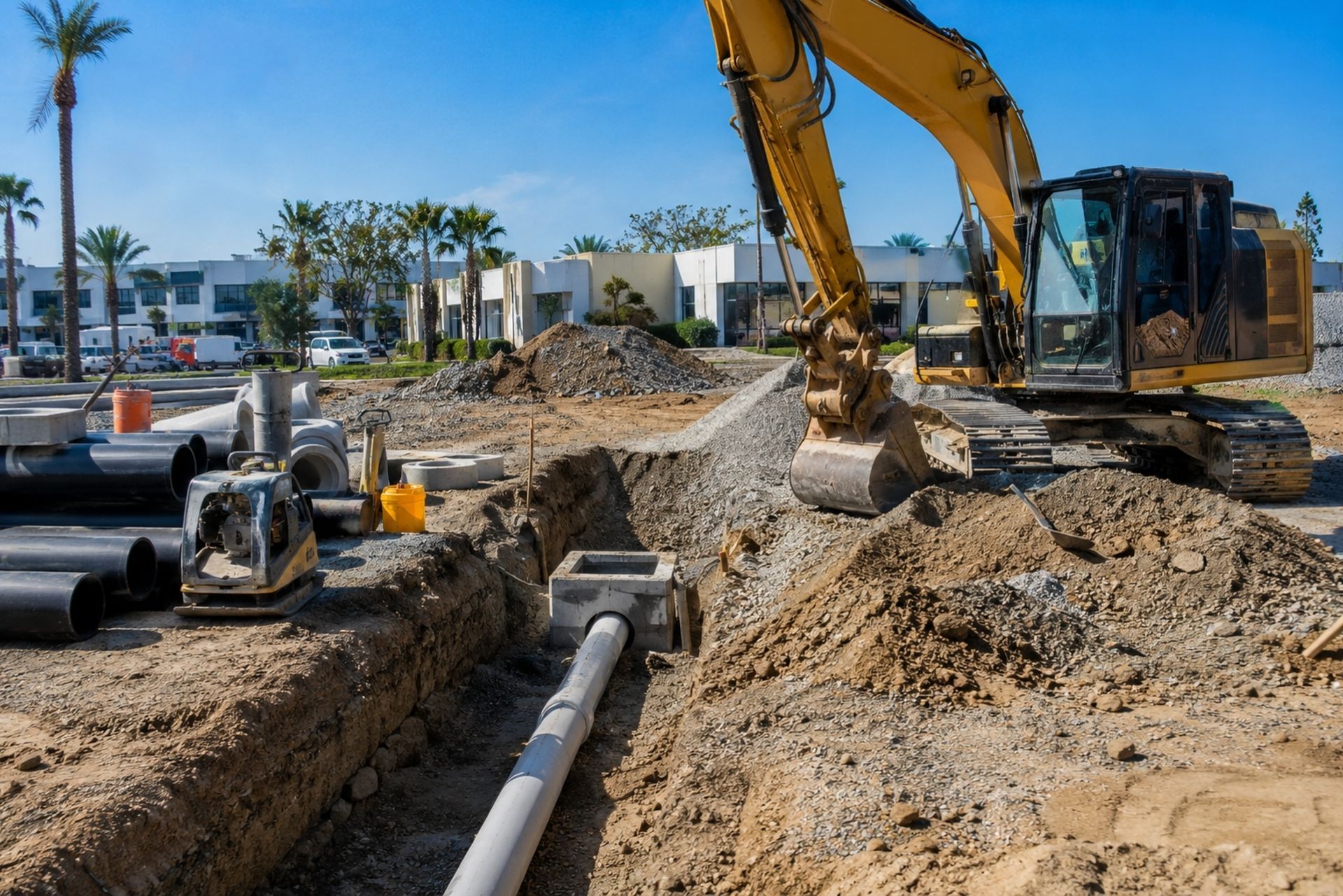
Getting the right mix of policies isn't about checking boxes. It's about matching your coverage to the actual risks you face on San Diego job sites, from coastal humidity damage to equipment theft.
General Liability for Property Damage and Bodily Injury
General liability is your foundation. It covers third-party bodily injury, property damage, and personal/advertising injury claims. For San Diego contractors, common claims include damage to neighboring properties during demolition, injuries to clients visiting active job sites, and water damage from plumbing work in multi-unit buildings.
Here's a quick comparison of typical coverage tiers:
| Coverage Level | Per Occurrence | Aggregate | Typical Annual Premium | Best For |
|---|---|---|---|---|
| Basic | $500,000 | $1,000,000 | $1,200 - $1,800 | Small residential jobs |
| Standard | $1,000,000 | $2,000,000 | $1,500 - $3,000 | Most GC operations |
| Enhanced | $2,000,000 | $4,000,000 | $3,500 - $6,000 | Commercial projects |
Most San Diego property owners and developers require the standard tier at minimum. If you're working on projects valued above $500,000, expect to need enhanced limits or an umbrella policy.
Workers' Compensation Compliance in San Diego County
California has some of the highest workers' comp premiums in the country, and San Diego is no exception. If you have employees, you must carry workers' comp. Period. There's no exemption for small crews. Even sole proprietors who hire a single laborer for a weekend job need coverage in place before that person starts work.
California's
workers' compensation requirements apply to all employers regardless of company size. Penalties for non-compliance include fines up to $100,000 and potential criminal prosecution. A firm like Fusco Orsini & Associates can help you structure your policy to account for fluctuating crew sizes, which is common in San Diego's seasonal construction cycle.
Inland Marine Insurance for Tools and Equipment
Your tools and equipment travel with you, and standard commercial property policies typically don't cover items in transit or stored at job sites. Inland marine insurance fills that gap. In San Diego, where contractors often work across a wide geographic area from Oceanside to Chula Vista, equipment theft from trucks and trailers is a persistent problem.
A typical inland marine policy covers hand tools, power tools, scaffolding, and specialized equipment at replacement cost. If you've invested $30,000 or more in equipment, this coverage pays for itself after a single theft. Don't assume your auto policy covers tools stolen from your truck: it almost certainly doesn't.
San Diego isn't a generic market. Your premiums reflect the specific geographic and environmental risks of building in Southern California's coastal corridor.
Coastal Construction and High-Value Residential Zones
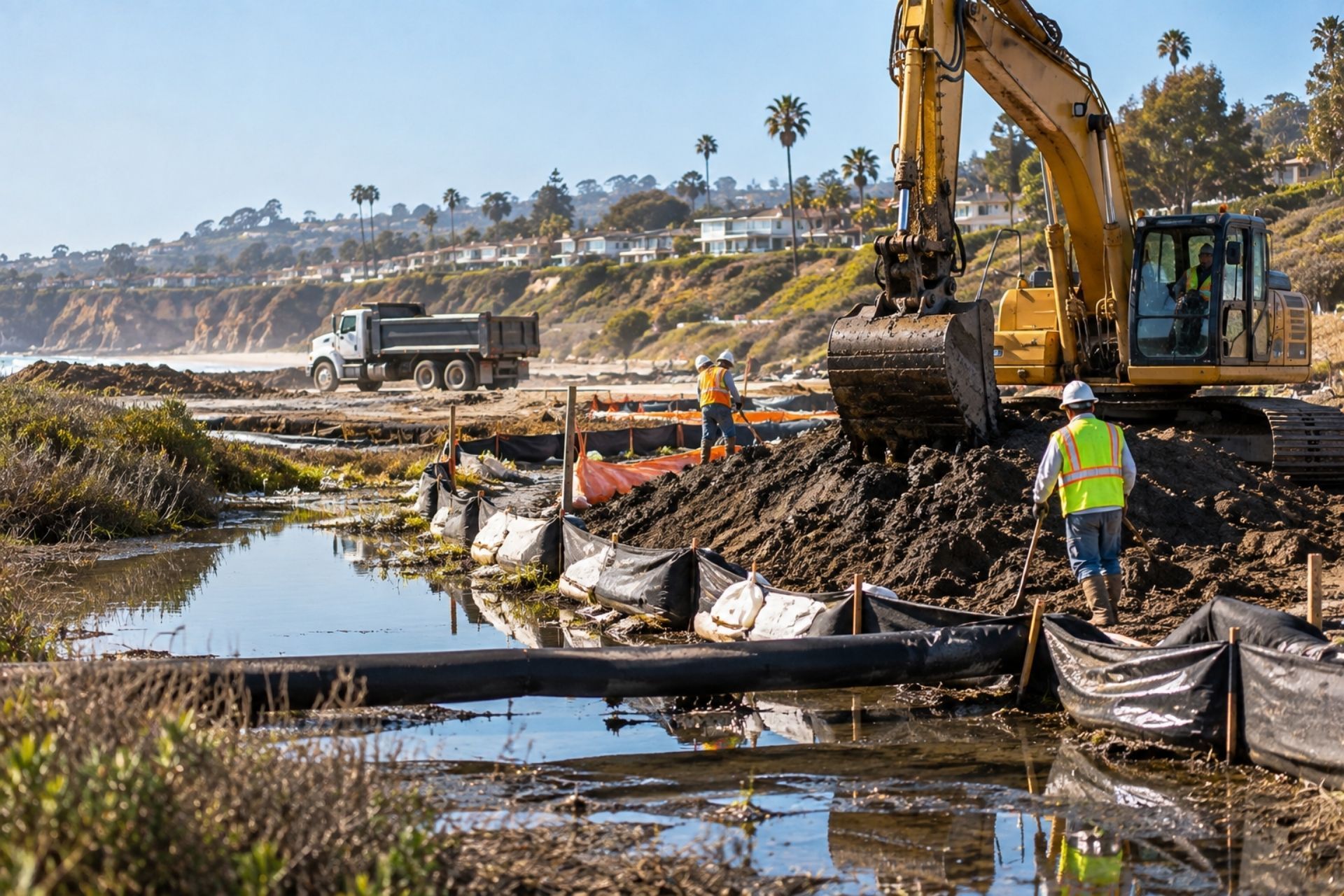
Building near the coast in neighborhoods like Del Mar, Coronado, or Point Loma means higher property values, stricter building codes, and increased exposure to salt air corrosion and moisture damage. Insurers know this. Contractors working primarily in high-value residential zones can expect premiums 15% to 30% higher than those working in inland areas like El Cajon or Santee.
The reason is straightforward: a claim involving a $3 million beachfront home carries far more financial exposure than a claim on a $500,000 inland property. Your insurer prices that risk into your premium. If you're focused on coastal projects, make sure your policy limits reflect the actual value of the properties you're working on.
Wildfire Risk and Specialized Liability Riders
San Diego County's eastern communities, including Ramona, Julian, and parts of Escondido, sit in designated wildfire risk zones. Contractors working in these areas face unique liability exposure. If your crew's work accidentally sparks a fire, the resulting claims can be catastrophic. California's wildfire liability framework holds responsible parties accountable for damages, and a single incident can generate claims in the millions.
Specialized liability riders or endorsements for wildfire-adjacent work aren't standard on most policies. You'll need to request them specifically. An experienced broker who understands San Diego's fire zones can make sure you're not exposed.
How to Obtain and Manage Your Policy Locally
Getting insured is one thing. Getting the right insurance, structured correctly, from a carrier that understands your market: that's where the real value lies.
Choosing Between Local Brokers and National Carriers
National carriers offer competitive pricing and name recognition, but they often lack the local knowledge that matters in San Diego. A local broker understands which neighborhoods require higher limits, which municipal projects demand specific endorsements, and which carriers have a reputation for slow claims processing in California.
Fusco Orsini & Associates, for example, works with contractors across San Diego County and understands the nuances of CSLB compliance, coastal construction risks, and city-specific requirements. That kind of local expertise can save you thousands in avoided
coverage gaps. A national carrier's online quote tool won't flag that your Del Mar project needs an additional insured endorsement for the HOA.
The Process of Requesting Certificates of Insurance (COI)
Every project you bid on will require a Certificate of Insurance. A COI is proof that your coverage is active and meets the project's requirements. You don't issue these yourself: your broker or carrier generates them.
Here's how to keep the process smooth:
- Request COIs at least 48 hours before you need them.
- Verify the certificate holder's name and address are exact, as even small errors can delay project starts.
- Confirm that all required endorsements (additional insured, primary/non-contributory, waiver of subrogation) are listed.
- Keep digital copies organized by project for quick reference during audits.
Delays in COI delivery are one of the most common reasons contractors miss project start dates. Build this step into your pre-project checklist.
Public works and city-funded projects come with insurance requirements that go well beyond what private residential clients expect.
City of San Diego Additional Insured Endorsements
The City of San Diego requires contractors on municipal projects to name the city, its officers, and its employees as additional insureds on your general liability policy. This isn't optional, and a generic additional insured endorsement may not satisfy the city's specific language requirements. You'll typically need a CG 20 10 or CG 20 37 endorsement form, and the city's risk management office will review your documentation before you're cleared to work.
Failing to provide the correct endorsement can delay your project by weeks. If you're bidding on city work for the first time, get your broker involved early. They can coordinate directly with the city's risk management team to ensure your paperwork is airtight.
Summary of Best Practices for Long-Term Risk Management
Protecting your San Diego contracting business isn't a one-time task. It requires annual policy reviews, especially as your revenue, crew size, and project types change. Audit your coverage every year against your actual operations. If you've moved from residential remodels into commercial tenant improvements, your risk profile has shifted and your insurance should reflect that.
Work with a broker who specializes in contractor insurance in the San Diego market. Fusco Orsini & Associates can run a coverage gap analysis that compares your current policies against your actual exposure. Don't wait for a claim to discover you're underinsured. Review your limits, endorsements, and exclusions proactively, and keep your CSLB bond and workers' comp certificates current at all times.
Frequently Asked Questions
Do I need general liability insurance if I'm a sole proprietor with no employees? The CSLB doesn't require it for all license types, but almost every client and project will. Practically speaking, yes, you need it.
How much does workers' comp cost for a small crew in San Diego? Rates vary by classification, but expect to pay between $5 and $15 per $100 of payroll for general construction work. A crew of three could run $8,000 to $20,000 annually.
Can I bundle my general liability and commercial auto into one policy? Yes, a Business Owner's Policy (BOP) can combine several coverages. That said, BOPs don't always include the endorsements San Diego municipal projects require, so check the details.
What happens if my insurance lapses while I have an active CSLB license? The CSLB will suspend your license automatically. You'll need to reinstate coverage and pay any penalties before you can legally work again.
Does my general liability policy cover subcontractor mistakes? Usually not. Your policy covers your operations. You should require every subcontractor to carry their own insurance and provide you with a COI naming you as additional insured.
Start by pulling your current policy documents and comparing them against the requirements outlined here. If you spot gaps, or if you haven't reviewed your coverage in the past 12 months, schedule a consultation with a broker who knows the San Diego market. Your license, your assets, and your reputation depend on getting this right.
About The Author:
Michael Fusco
As CEO and Principal of Fusco Orsini & Associates, I’m dedicated to helping businesses and individuals achieve peace of mind through smarter insurance solutions. With extensive experience in commercial insurance and risk management, I focus on building long-term relationships and providing clarity, trust, and value in every policy we deliver.
Contact Us
// Coverage for Your Company
Protect Your Business, Employees, and Assets
We help business owners protect their companies from risks that can disrupt operations or threaten growth. Our team explains your options clearly and guides you to the right coverage for your business.
// Who We Help
Focused Insurance for Your Industry
We understand the unique risks and needs of different industries. Our team provides clear guidance and customized coverage to help you operate with confidence.



// Coverage for Individuals and Families
Protect What Matters Most at Home and Beyond
Renters Insurance
Affordable protection for your personal property in a rented space.
Life Insurance
Ensure your loved ones are financially secure when they need it most.
Umbrella Insurance
Extra liability coverage to protect you beyond standard policies.

// Frequently Asked Questions
Clear Answers to Common Questions

5.0 Reviews on Google
What You Need to Know Before Getting Started
People often ask us about the most common questions around business consulting, insurance, and employee benefits.
What types of insurance does my business need?
We evaluate your operations, identify risks, and explain the policies that make sense for your business. Our goal is to help you understand what you’re buying and ensure nothing important is overlooked.
The right coverage depends on your industry, size, and exposures. We’ll walk you through each option and help you make a confident decision.
Do you provide employee benefits?
Yes. Our dedicated benefits team offers group health, dental, vision, life, and disability plans. We also help employees with claims and explain how to use their benefits effectively.
We design plans that meet your company’s goals while keeping costs manageable and ensuring employees feel supported.
Do you only serve clients in California?
No. While we are based in San Diego, California, we work with clients in 31 states across the country.
We have the licenses and experience to support businesses of all sizes wherever they operate.
Can you review my existing policies?
Absolutely. We offer policy reviews at no cost to you. We’ll look for gaps in coverage, overlapping policies, and opportunities to save money.
Our team makes transitioning from your current provider simple and seamless.
How quickly can I get a quote?
In most cases, we respond the same business day with clear options and next steps.
We know that time matters, and we work efficiently to provide you with answers and coverage without unnecessary delays.
// What Our Clients Say
Reviews from Business Owners Like You
Over 500 Five-Star Ratings Across Platforms
// Business Tips & Resources
Helpful Articles for Business Owners
Our blog offers clear advice to help you protect your business, support your employees, and plan for the future with confidence.

Contact Us
Phone
Location